10 Things to Throw Out After Your First Semester of College
Your first semester of college comes with a lot of new experiences, including living in a dorm or apartment for the first time. By the end of the semester, it is common to realize you have accumulated more than you need, from school papers to extra decor and storage items that no longer serve you.
Before heading into the next term, taking time to clear out unnecessary items can make your dorm feel more organized, easier to maintain, and far more comfortable to live in. Professional organizers often recommend using the end of the semester as a reset point, especially when space is limited and routines are about to change.
Here are ten things professional organizers say you should throw out after your first semester of college to free up space and start fresh.
Freebies, Handouts, and Random Extras
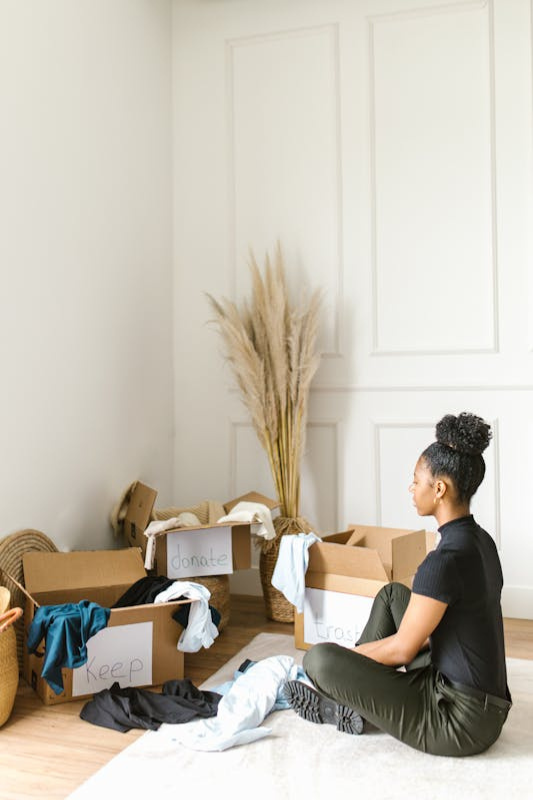
Free items are one of the fastest ways clutter builds up in a dorm. Campus events, club fairs, and promotional activities often come with tote bags, flyers, samples, and small accessories that seem harmless at first. Over time, these items pile up in drawers, on desks, and under beds without serving a real purpose.
In a small living space, every item needs to earn its place. When freebies are kept simply because they were free, they quietly crowd out things you actually use. This can make your room feel disorganized even when you try to keep it tidy.
As you reset after your first semester, go through these items intentionally. Keep only what you use regularly or truly find useful, such as a sturdy bag or reusable bottle. Everything else can be recycled, donated, or discarded to instantly reduce visual clutter.
Related: Dorm Room Essentials 2026: College Freshman Checklist
Old Assignments, Notes, and Paper Clutter
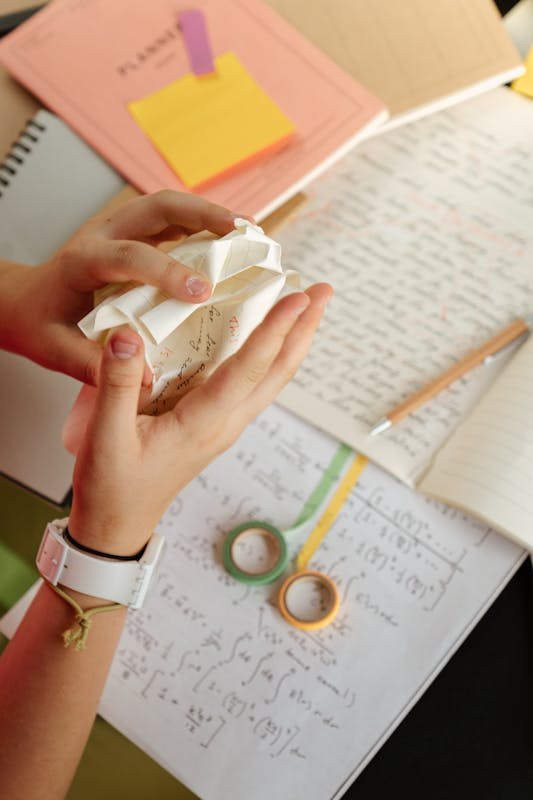
Paper clutter builds up quickly during the first semester of college. Old assignments, printed readings, flash cards, and notebooks often linger long after classes are finished. While it can feel responsible to keep everything, most of this material is never referenced again.
Stacks of paper take up valuable desk and drawer space and make study areas feel cramped. In small dorm rooms, cluttered surfaces can make the entire space feel smaller and more stressful than it actually is.
Before the next semester begins, sort through your coursework with intention. Discard assignments and notes from classes you have completed and will not continue. If there are materials you may want to reference later, consider scanning them and storing them digitally to keep information without clutter.
Decor You No Longer Enjoy
Decorating your dorm at the beginning of the semester is exciting, but tastes and needs often change quickly. Items that once felt fun or trendy may no longer feel right after a few months of living in the space.
Unused decor takes up shelf space, walls, and storage that could be used more effectively. In small rooms, too many decorative pieces can make the space feel busy rather than cozy.
Take time to evaluate what you actually enjoy seeing every day. If a piece of decor no longer fits your style or you would not repurchase it now, it may be time to let it go. Editing decor helps your dorm feel calmer, more intentional, and easier to maintain.
Uneaten Food and Forgotten Pantry Items
By the end of the semester, it is common to find forgotten snacks under the bed or items lingering in a mini fridge. Leaving food behind when you go home for break can lead to unpleasant surprises when you return.
Clearing out food helps prevent waste and keeps your space clean. It also makes it easier to restock thoughtfully when the next semester begins.
Go through your pantry and fridge before leaving campus. Discard anything opened, expired, or unlikely to be eaten. Unopened and unexpired food can often be donated, helping others while freeing up space in your dorm.
Extra Storage Containers That Do Not Work
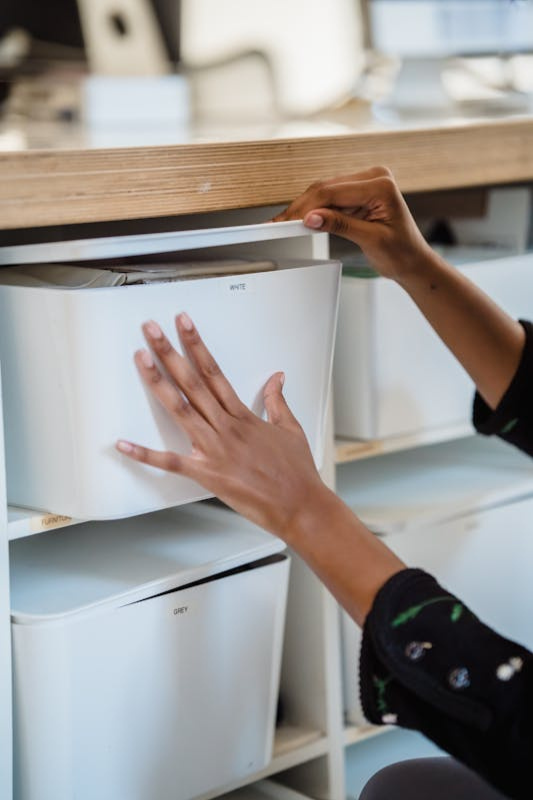
Many students buy storage bins, organizers, and containers in an attempt to control clutter, only to find that some pieces do not fit well or go unused. Ironically, unused storage often becomes clutter itself.
Oversized or awkward containers can take up valuable floor or under bed space without actually improving organization. This can make a small dorm feel more cramped rather than more functional.
As you reset your space, let go of storage items that do not serve a clear purpose. Keep only containers that fit your layout and support how you actually use your space day to day.
Out of Season Clothing
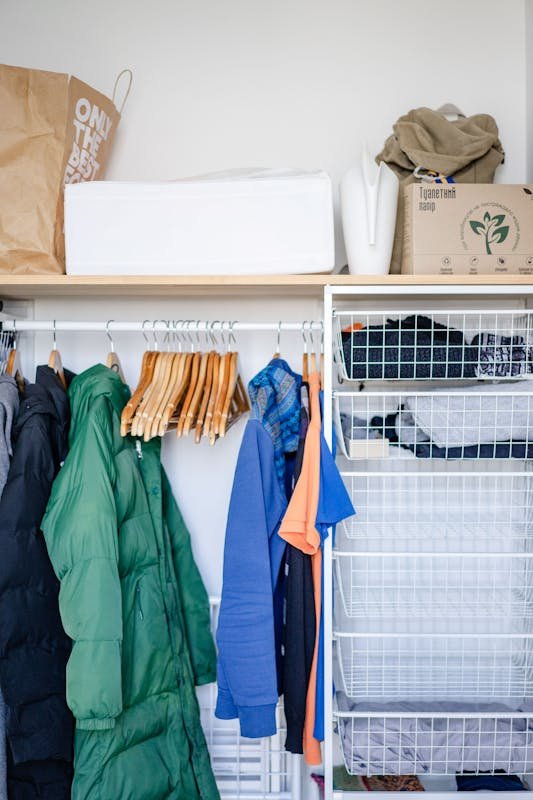
Closet space is limited in dorms, and keeping clothes you will not wear for months makes daily routines harder than they need to be. Jackets, boots, and heavy layers often linger long after the weather changes.
Too many clothes in rotation can make it difficult to find what you actually want to wear. It also leads to overstuffed closets and drawers that feel chaotic.
Before the next semester starts, separate out of season clothing. Bring it home if possible or store it neatly out of the way. This creates space for the items you actually need and makes getting dressed simpler.
Old Toiletries and Beauty Products
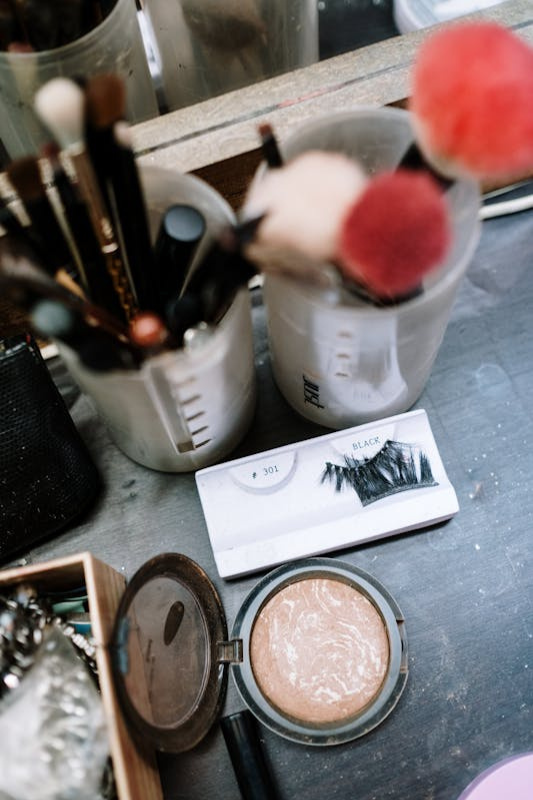
Bathroom and vanity clutter is common in college living spaces, especially when products are shared or purchased in multiples. Half-used bottles, expired products, and duplicates can quickly crowd small surfaces.
Keeping too many products makes routines less efficient and shared spaces harder to manage. It can also lead to hygiene issues if expired items are left unnoticed.
Check expiration dates and be honest about what you actually use. Let go of products that are expired, duplicated, or no longer part of your routine. Keeping only essentials helps keep bathrooms cleaner and more functional.
School Supplies From Finished Classes
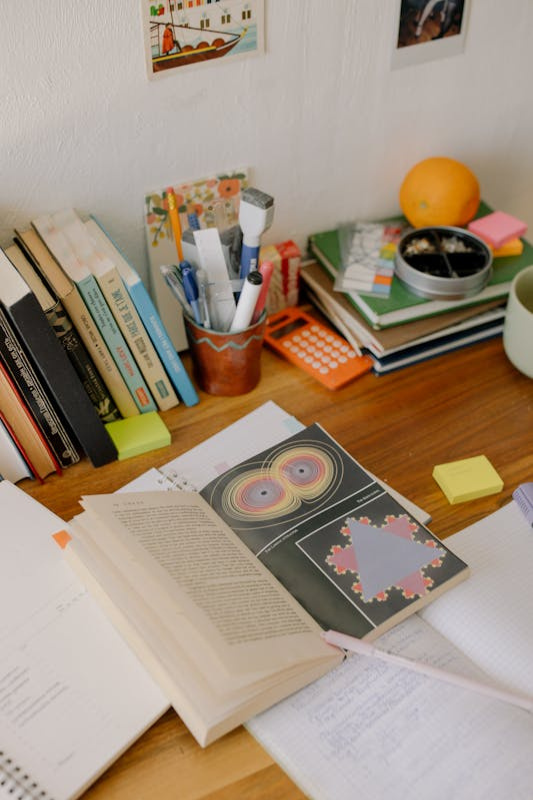
Notebooks, binders, and supplies from completed classes often take up space long after they are needed. While it may seem practical to keep them, most supplies are never reused.
Excess supplies clutter desks and drawers, making it harder to focus during study time. In small dorms, every surface matters.
Donate usable supplies or discard what you no longer need. Keeping only current materials helps your study area feel more organized and easier to work in.
Broken or Unused Electronics
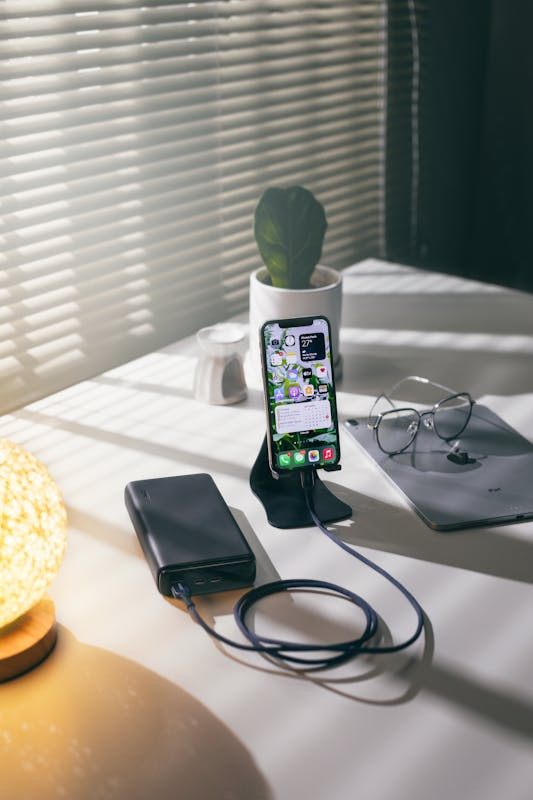
Old chargers, cables, and outdated electronics often get stored away just in case. Over time, drawers fill up with items that no longer work or fit your current setup.
Unused electronics add visual clutter and take up storage space that could be used more effectively. They can also become tangled and difficult to sort through later.
Identify what you actively use and let go of the rest. Many campuses offer electronics recycling options, making it easier to dispose of items responsibly.
Extra Linens, Towels, and Blankets
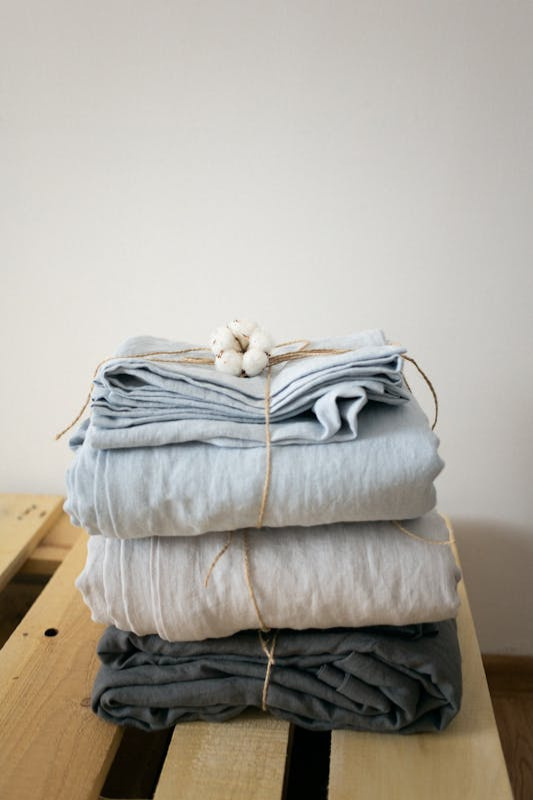
Bedding and towels are bulky and take up more space than most students realize. While it is nice to have extras, too many can overwhelm limited storage areas.
Keeping more than you realistically use can make closets and under bed storage feel overcrowded. This often leads to disorganization rather than convenience.
Keep one or two sets that you regularly use and that fit comfortably in your available storage. Donating or bringing home extras helps streamline your space and makes laundry routines easier.
Final Thoughts
The end of your first semester of college is a natural moment to reset your living space. Letting go of items that no longer serve you makes your dorm or apartment easier to manage and more enjoyable to live in.
Decluttering is not about getting rid of everything, but about keeping what supports your daily life. By clearing out unnecessary items now, you create space for the next semester to feel lighter, calmer, and more intentional.