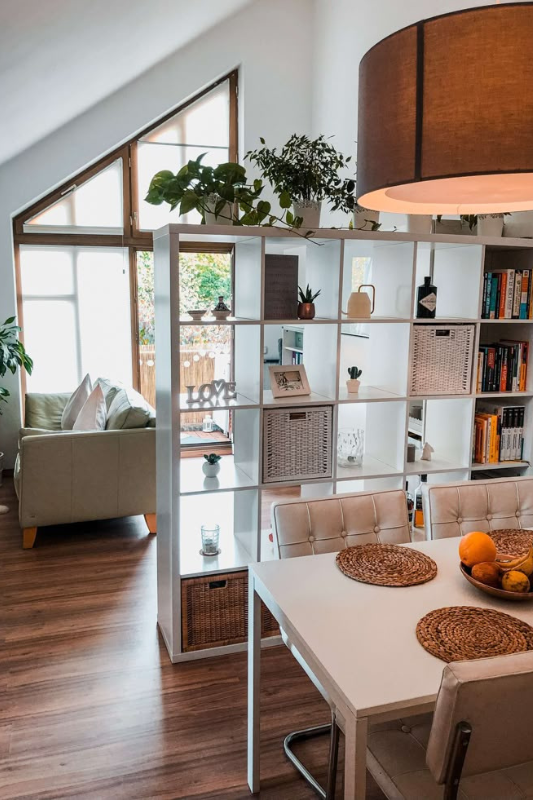
How to Host Guests in a Small Apartment (Without Stress)
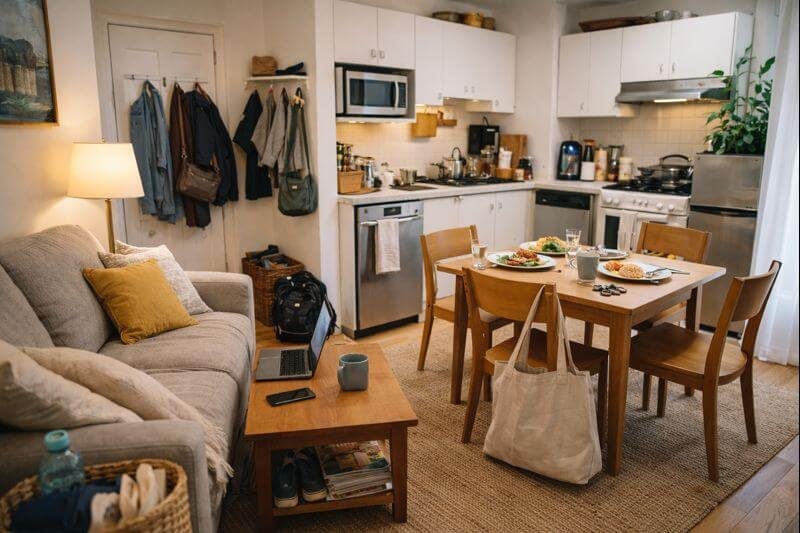
Hosting guests in a small apartment can feel surprisingly stressful. You’re not just thinking about food and timing. You’re thinking about where coats will go, where people will sit, where someone will sleep, and how you’re supposed to function when your entire home becomes shared space.
Most advice on how to host guests in a small apartment makes this harder. It tells you to deep clean, buy things you don’t have room to store, or “embrace the chaos” without giving you a plan that works in a studio or one-bedroom.
The truth is, hosting in a small apartment isn’t stressful because you’re doing it wrong. It’s stressful because most people try to host without a setup that fits their space. They prepare like they live in a larger home, then feel overwhelmed when their apartment can’t support that version of hosting.
You don’t need more square footage. You don’t need a guest room. You don’t need to be a “perfect host.”
You need a simple, repeatable system: decide what kind of visit this is, set up your apartment to support it, and focus only on what actually makes guests comfortable.
This guide walks you through that system step by step, so hosting feels calm, realistic, and sustainable for you.
Why Hosting Guests in a Small Apartment Feels Stressful
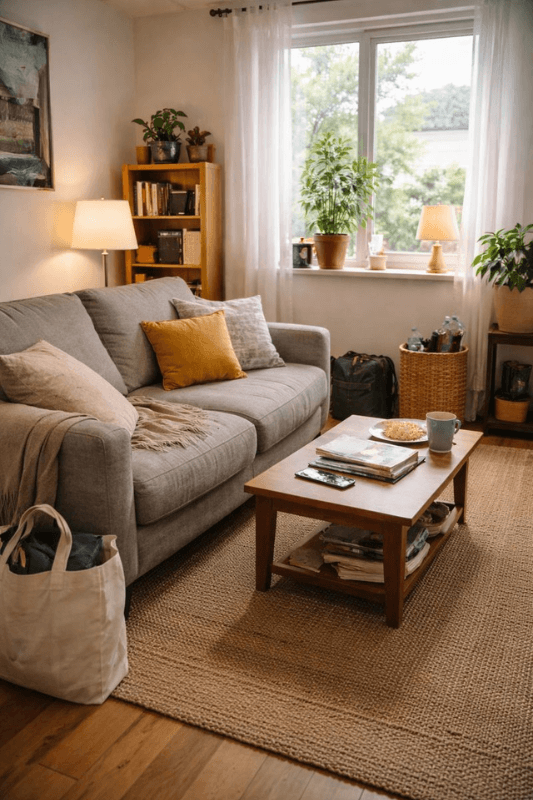
Hosting guests in a small apartment feels stressful because your space has to do too many jobs at once. Your living room is also your dining room. Your couch might become someone’s bed. Your bathroom is the only bathroom. There’s no extra room to reset, step away, or hide mess when things start to feel overwhelming.
That lack of separation creates constant mental pressure. You’re always aware of where people are standing, what they’re touching, and whether they’re comfortable. Small things feel bigger than they shouldlike someone hovering in the kitchen while you’re trying to cook because there’s nowhere else for anyone to go.
Another reason hosting feels harder is that most advice assumes you have options you don’t. Extra chairs. A guest room. Storage space for entertaining supplies. When those don’t exist, you’re left improvising while also worrying that you’re not doing enough.
But the stress usually isn’t about the size of your apartment. It’s about uncertainty.
Not knowing:
Where guests’ things will go
How your space will function once people arrive
How long you’ll need to be “on” as a host
What actually matters and what you can ignore
When those decisions are made in the moment, everything feels heavier than it needs to.
Once you decide how your apartment will work during a visit, the stress drops quickly. Hosting becomes less about managing chaos and more about following a few clear choices you made ahead of time.
That’s why the first step isn’t cleaning or rearranging furniture.
It’s deciding what kind of visit you’re actually hosting.
Decide the Visit Before You Prep the Space

Before you clean or move anything, decide what kind of visit this actually is.
Most hosting stress in a small apartment comes from preparing for every possible scenario instead of the one that is actually happening. When you try to be ready for everything, you end up doing too much and still feeling unprepared.
Start with three simple questions:
Is this a short visit or an overnight stay?
How many people are coming?
Will anyone be sleeping in your space?
That is all the planning you need at this stage.
If guests are only coming over for a few hours, you do not need to rearrange your apartment. You need enough places to sit, a clear spot for coats and bags, and simple food or drinks that do not require constant attention.
If you are hosting overnight guests in a small apartment, your priorities shift. Sleep comfort, bathroom access, and a sense of privacy matter more than how your apartment looks. You can ignore areas guests will not use and focus on making the essentials work smoothly.
Once you decide the type of visit, much of the pressure disappears. If you stop cleaning rooms, no one will see. You stop buying items you do not need. You stop trying to host as if you live in a larger home.
From there, you can set up your apartment in a way that supports the visit instead of fighting against it.
That leads to the next step: setting up your space with clear zones.
The Three-Zone Setup That Works in Any Apartment

You do not need more space to host guests comfortably. You need your space to do a few clear jobs while guests are there.
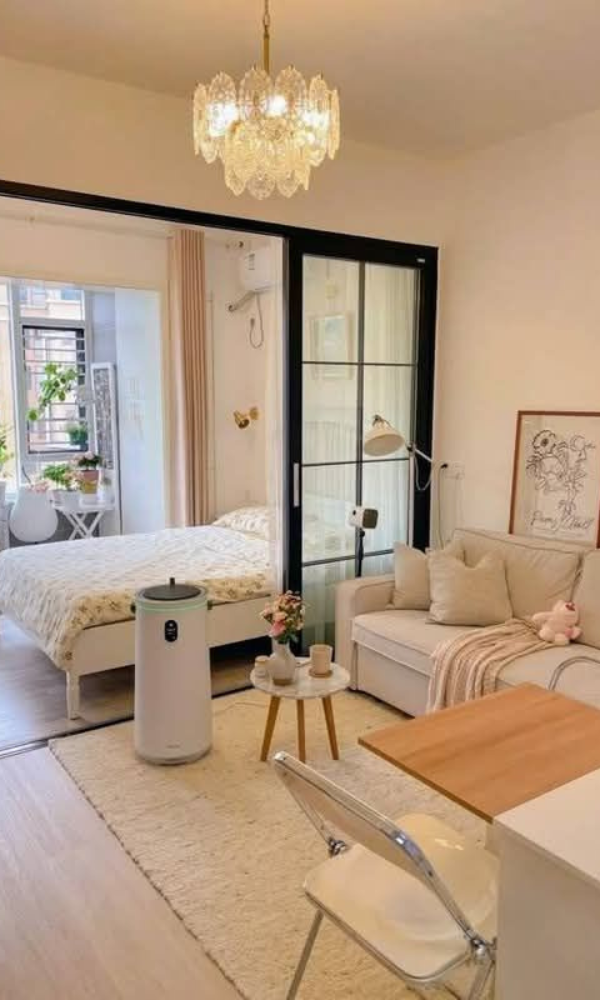
Instead of thinking in terms of rooms, think in terms of zones. Even the smallest apartment can support hosting when each zone has a clear purpose.
Zone One: The Drop Zone
The drop zone is where guests put their things as soon as they arrive. Shoes, coats, bags, purses.
This zone can be very simple:
a cleared chair near the door
a corner with a basket or bin
a few hooks on the wall
When guests know where their things go, clutter stops spreading throughout the rest of your apartment. This alone can make hosting feel calmer.
Zone Two: The Hangout Zone
The hangout zone is where you will spend most of your time together.
Focus on three things:
enough places for everyone to sit
at least one surface for drinks or plates
a layout that allows people to relax without constantly shifting
Chairs, stools, floor cushions, or even the edge of the bed can all count as seating in a small apartment. What matters is that no one feels like they are in the way.
Zone Three: The Sleep or Privacy Zone
This zone only matters if you are hosting overnight guests in a small apartment.
Define it clearly, even if the space is shared:
The couch becomes the bed
A specific corner is reserved for sleeping
A small surface nearby holds a phone, water, or glasses
Even a visual boundary helps. A curtain, screen, or simply agreeing on how the space will be used can reduce awkwardness for both you and your guest.
Once these three zones are decided, your apartment stops feeling like one large shared pile. Everyone knows where things belong, and hosting feels more manageable.
Hosting Overnight Guests in a Small Apartment: What Actually Matters
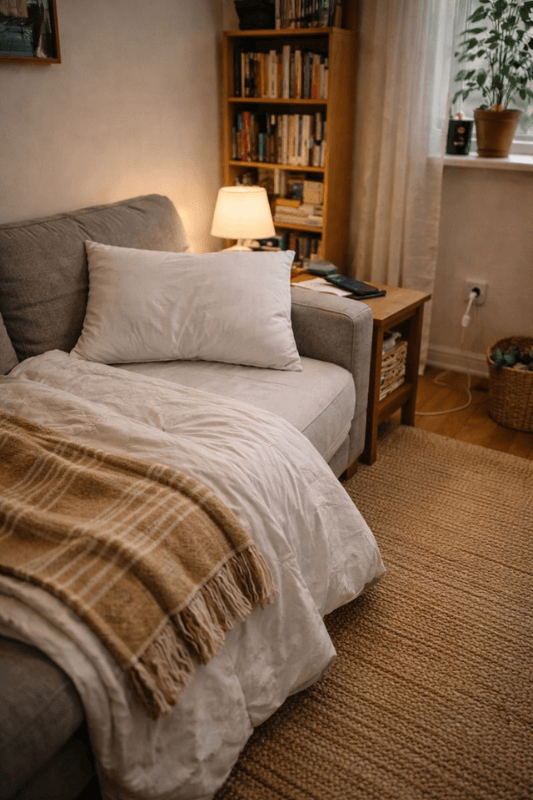
When you are hosting overnight guests in a small apartment, comfort comes from thoughtful basics, not extra space. You do not need a guest room. You need a setup that helps someone sleep well and move through your home without friction.
Start with the essentials.
A sleep setup that feels intentional
Whether your guest is sleeping on a couch, air mattress, or sofa bed, the setup should feel planned, not improvised.
Focus on:
real pillows that support the neck
clean, comfortable bedding
a mattress topper if you have one
Guests care far more about how they sleep than how the arrangement looks.
A clear place for personal items
In a small apartment, not having a place to set things down quickly becomes frustrating. Clear one small surface near the sleeping area. A stool, shelf, or side table is enough.
This gives guests a place for:
their phone
glasses
water
anything they do not want on the floor
This small detail goes a long way toward making the space feel considerate.
Easy access to power
Make sure there is an outlet or extension cord near where your guest is sleeping. Not having to unplug lamps or ask for a charger reduces stress immediately.
A bathroom that is ready to share
The bathroom does a lot of work in a small apartment. Make it easy to use without questions.
Before guests arrive:
Put out a clean towel
Make extra toilet paper visible
Keep the plunger easy to find
These small preparations prevent awkward moments, especially at night.
Clear morning expectations
A quick conversation helps everyone relax:
When you usually wake up
When the bathroom is busiest
Whether mornings are quiet or casual
Clear expectations prevent tension before it starts.
When these basics are handled, guests feel cared for even without extra space. You also feel calmer knowing you focused on what truly matters.
The Low Stress Cleaning Plan
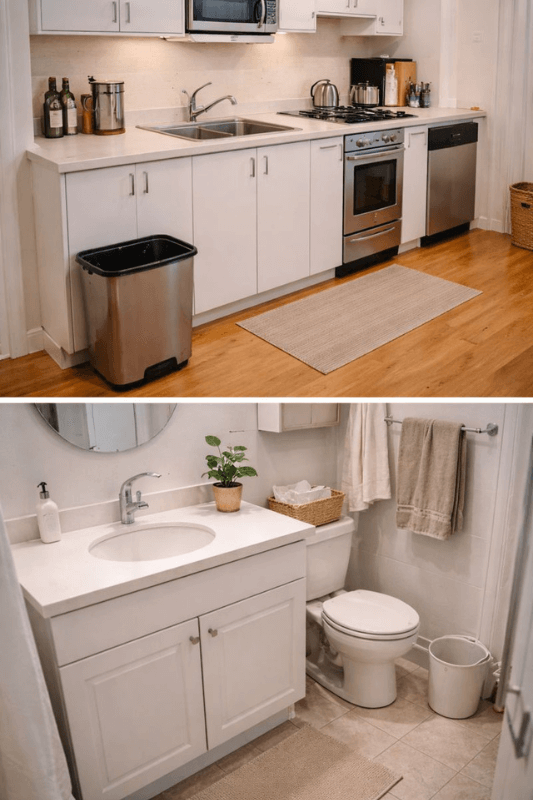
You do not need to deep-clean your entire apartment to host guests. In a small space, trying to clean everything is one of the fastest ways to exhaust yourself before anyone even arrives.
Instead, focus on what guests will actually see and use.
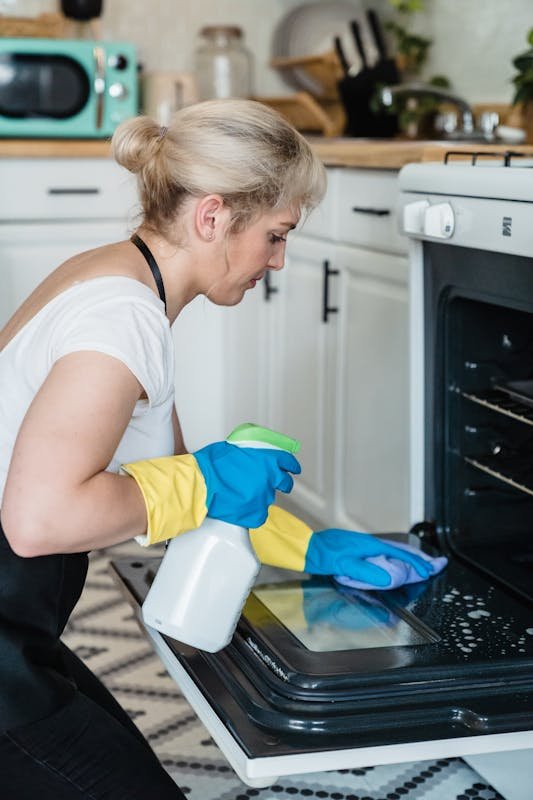
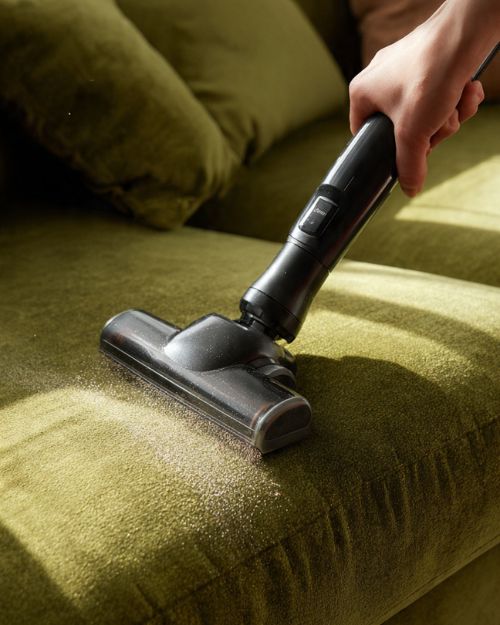
Clean these five things
If you do nothing else, clean these areas:
the bathroom sink, toilet, and mirror
the kitchen sink and counters
the table or main surface where you will eat or gather
visible trash and recycling
the floor in high-traffic areas
These five things cover most of what affects comfort.
Tidy, do not organize
This is not the time to reorganize shelves, sort paperwork, or perfect your systems. If something is out, put it in a drawer, basket, or closet and move on.
Guests notice clear surfaces, not perfectly arranged storage.
Skip these on purpose
Give yourself permission to ignore:
The inside of drawers and cabinets
Closet guests will not open
Deep scrubbing and detail work
Rooms guests will not use
Cleaning everything adds stress without improving the experience.
Do a final short reset
Right before guests arrive:
clear the entryway
wipe one main surface
empty small trash cans
That is enough to make your apartment feel intentional and calm.
When cleaning is handled this way, hosting feels lighter and more manageable.
Boundaries That Keep Hosting Sustainable in a Small Apartment
Good hosting in a small apartment depends on clear boundaries. Not rigid rules, but simple expectations that help everyone feel at ease.
Without boundaries, it is easy to become exhausted, resentful, or uncomfortable in your own home.
Set the tone early
A brief comment at the start of a visit can prevent tension later:
I usually wind down around ten
Mornings are pretty quiet for me
I might take a short break after dinner
This kind of clarity is helpful, not rude.
Protect your routines
You do not need to change everything to be a good host. If you need alone time, say so. If you need sleep, take it.
Most guests would rather adjust than feel like they are imposing.
You do not have to give up your bed
Unless there is a real need, it is reasonable to keep your own sleeping setup. Providing a comfortable place for guests to sleep is generous enough.
In a small apartment, keeping your bed can also help you feel grounded and rested.
Name shared spaces and timing
If your kitchen or bathroom has limited availability at certain times, mention it. Letting guests know when spaces are busiest prevents quiet stress and confusion.
Clear expectations make hosting easier for everyone involved.
Boundaries do not make hosting less warm. They make it sustainable, especially when space is limited.
A Ten-Minute Reset After Guests Leave
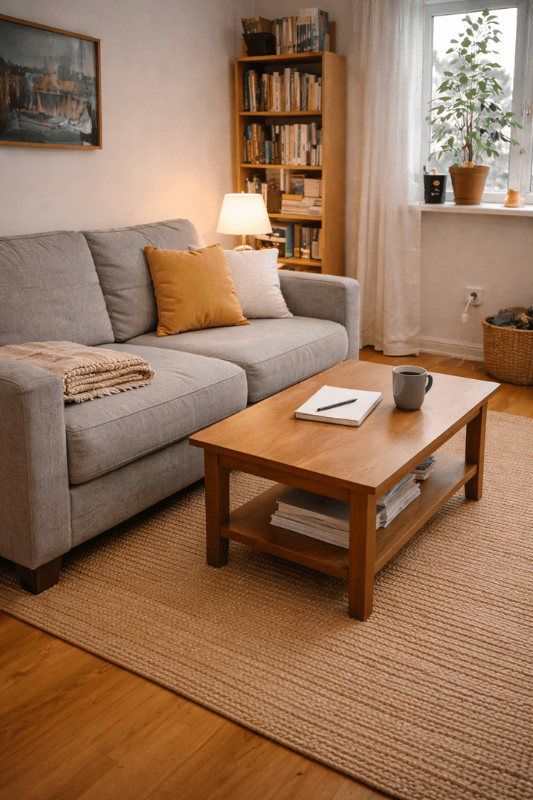
The fastest way to feel overwhelmed after hosting is to leave everything exactly as it is. In a small apartment, that lingering mess can make the stress of hosting stretch into the next day.
A short reset helps you reclaim your space without draining your energy.
Set a timer for ten minutes.
During that time:
Collect cups, dishes, and trash
Open a window or turn on a fan
Fold blankets and put pillows back
Wipe one main surface
Refresh the bathroom with clean towels
When the timer ends, stop.
Your apartment does not need to be perfect. It just needs to feel like yours again.
This small reset makes the next day easier and prevents hosting from lingering as a source of stress.
Frequently Asked Questions
How many guests can you host in a small apartment?
As many as your space can comfortably support without blocking movement or sleep. In most small apartments, one to three guests is realistic for overnight stays. For short visits, focus less on numbers and more on whether everyone has a place to sit and set their things down.
How do you host overnight guests without a guest room?
You don’t need a guest room to host overnight guests. A couch, air mattress, or sofa bed works well when it’s set up intentionally with real pillows, clean bedding, nearby power access, and a small surface for personal items.
Is it rude to not offer your bed to guests?
No. It’s perfectly acceptable to keep your own bed, especially in a small apartment. Providing a comfortable, thoughtful sleep setup is generous enough. Most guests prefer not to displace their host.
Do you need to rearrange furniture to host guests in a small apartment?
Usually, no. For short visits, small adjustments like clearing surfaces or adding extra seating are enough. Rearranging furniture only makes sense for overnight stays or when it improves flow, not as a default requirement.
What should you provide for overnight guests in a small apartment?
Focus on essentials:
clean bedding and pillows
a towel and visible toilet paper
access to power for charging devices
a clear place for personal items
Comfort matters more than extras.