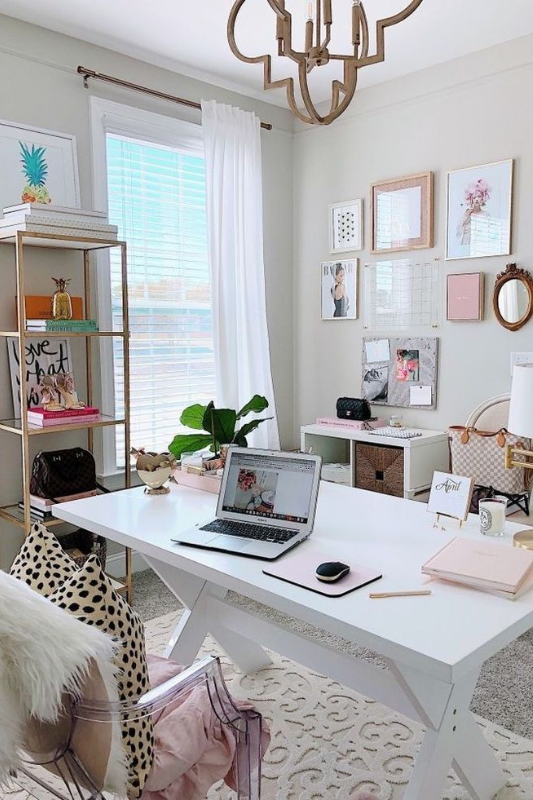
How to Mix Vintage and Modern Decor: A Step-by-Step Guide for Timeless Interiors
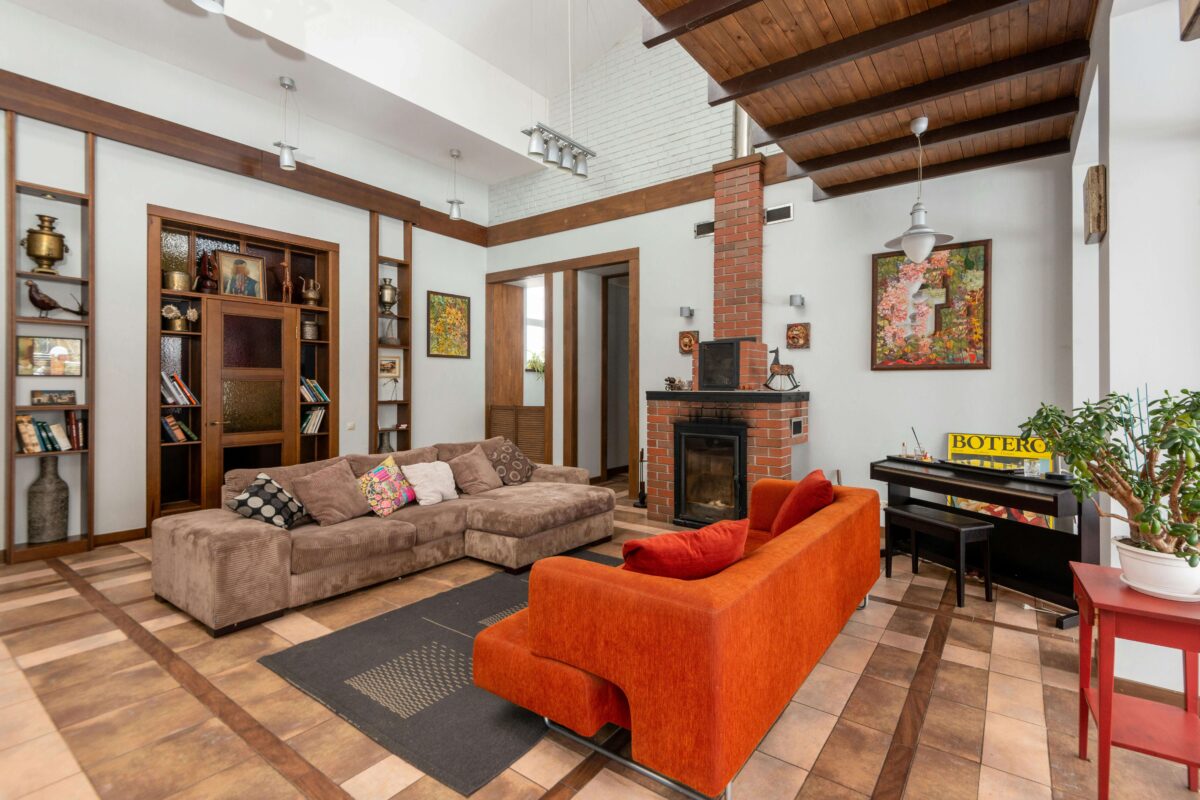
Mixing vintage and modern decor can make your home feel warm, layered, and timeless. But when it is not done carefully, it can also look cluttered, mismatched, or dated.
The key is balance.
Vintage pieces bring character, history, craftsmanship, and charm. Modern pieces bring clean lines, comfort, simplicity, and function. When you combine them well, your home feels collected instead of overly decorated. It looks personal, stylish, and lived-in, not like a showroom.
This is also why vintage pieces work so well in a warm and inviting home, especially when they are balanced with cleaner modern shapes.
In this guide, you’ll learn how to mix vintage and contemporary decor step by step, with practical furniture pairings, accessory ideas, room examples, and simple tips for creating a cohesive look.
What Is Modern Vintage Interior Design?
Modern vintage interior design is the art of combining older furniture, antique accents, or retro-inspired pieces with contemporary decor.
It does not mean filling your home with only antiques. It also does not mean adding one old item to a completely modern room and hoping it works.
A well-designed modern vintage space usually includes:
- Clean modern furniture
- Vintage or antique statement pieces
- A consistent color palette
- A balance of old and new materials
- Thoughtful accessories
- A mix of textures, shapes, and finishes
The result is a home that feels timeless rather than trendy.
Think of a modern cream sofa paired with a vintage Persian rug. Or an antique wooden dining table surrounded by sleek upholstered chairs. Or a contemporary bedroom with vintage nightstands and aged brass lamps.
That contrast is what makes the space interesting.
Why Mixing Vintage and Modern Decor Works
Vintage and modern styles work well together because they balance each other.
Modern decor can sometimes feel too plain or cold on its own. Vintage decor can sometimes feel heavy or outdated if there is too much of it. When you combine the two, each style makes the other better.
Vintage pieces add:
- Warmth
- History
- Texture
- Craftsmanship
- Character
- A sense of uniqueness
Modern pieces add:
- Comfort
- Simplicity
- Function
- Clean lines
- Freshness
- Visual breathing room
Together, they create interiors that feel layered, personal, and lasting.
The goal is not to make everything match. The goal is to make everything feel connected.
Step 1: Choose One Main Style
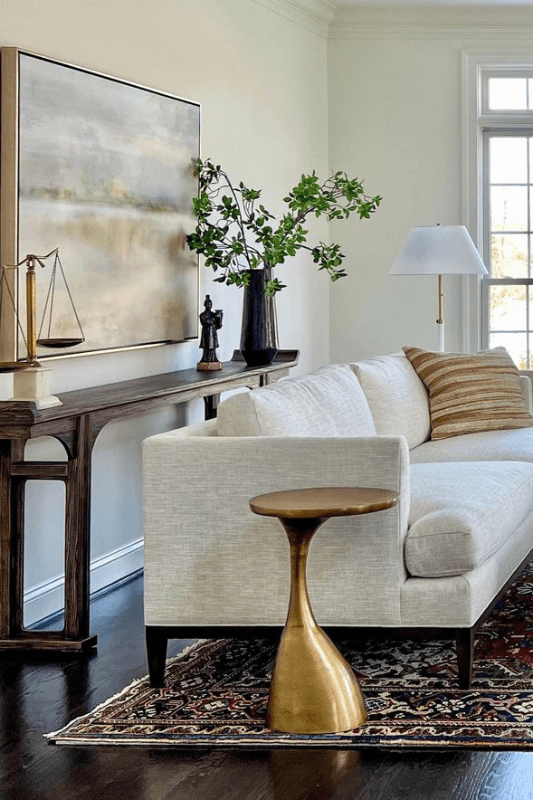
Before you start mixing furniture and accessories, decide which style will lead the room.
This is one of the most important rules when mixing old and new decor. If both styles compete equally without a clear direction, the room can feel confusing.
A simple formula is the 70/30 rule.
Use about 70% of one style and 30% of the other.
For example:
- 70% modern, 30% vintage for a clean and updated look
- 70% vintage, 30% modern for a more classic and character-rich look
- 50/50 for a bolder, more eclectic style
For most homes, the easiest approach is to use modern furniture as the foundation and vintage pieces as accents.
Example
In a living room, you could start with a modern sofa, simple curtains, and a clean-lined media unit. Then add a vintage rug, antique coffee table, brass lamp, and framed old artwork.
The room still feels fresh, but it has more warmth and personality.
Step 2: Start With a Clear Color Palette
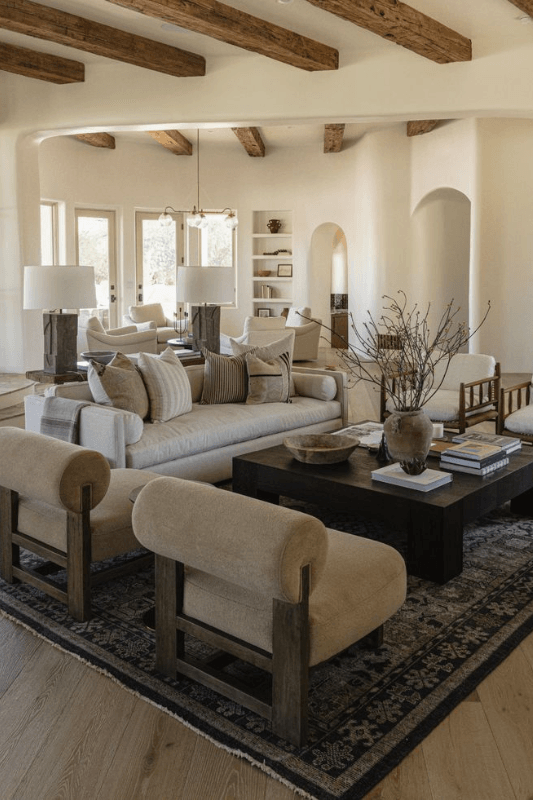
Color is what makes different styles feel like they belong together.
When you mix vintage and contemporary decor, your pieces do not have to come from the same era. But they should share a visual connection. A consistent color palette helps create that connection.
Timeless color palettes for modern vintage interiors include:
- Warm white, beige, walnut, and brass
- Cream, black, oak, and olive green
- Charcoal, camel leather, aged wood, and soft white
- Terracotta, natural linen, dark wood, and bronze
- Muted blue, ivory, walnut, and antique gold
If your vintage furniture is dark and heavy, balance it with lighter walls, modern upholstery, or glass and metal accents.
If your modern furniture feels too sleek, warm it up with vintage wood, aged brass, woven baskets, old books, or patterned rugs.
Design Tip
Repeat each main color at least two or three times in the room.
For example, if you have a vintage brass floor lamp, repeat that brass tone in a mirror frame, cabinet handle, or picture frame. If you have a dark wooden antique table, repeat similar wood tones in a chair leg, shelf, or decorative bowl.
Repetition contrasts look intentional.
Step 3: Use Furniture to Bridge Old and New
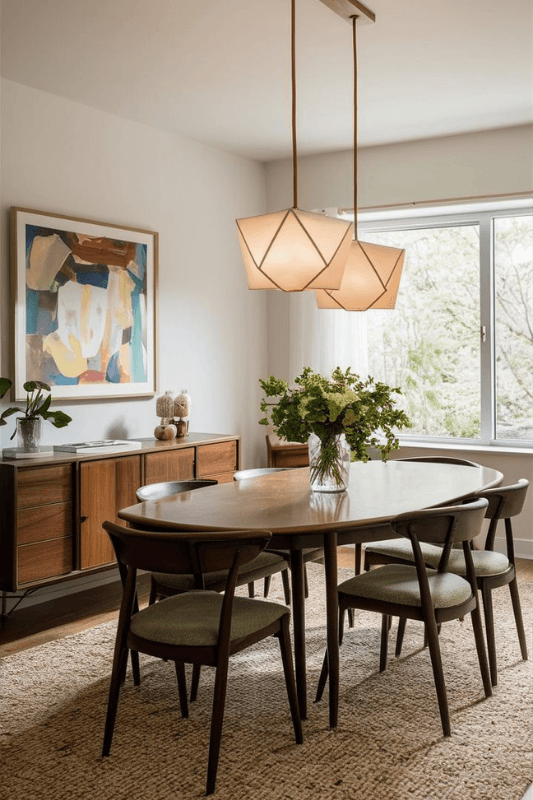
Furniture is the strongest way to blend vintage and modern styles. The best rooms usually have at least one piece of furniture that creates contrast.
Instead of buying a full matching set, pair pieces from different eras.
Here are some of the best modern and vintage furniture combinations.
| Vintage Piece | Modern Piece to Pair It With | Why It Works |
|---|---|---|
| Antique wooden dining table | Modern upholstered dining chairs | The table adds warmth, while the chairs keep it fresh |
| Vintage coffee table | Contemporary sofa | The old table adds character to a clean, modern seating area |
| Mid-century armchair | Minimal side table | Retro shape meets simple modern lines |
| Antique dresser | Large modern mirror | The mirror updates the older piece instantly |
| Vintage rug | Modern sectional sofa | Pattern and history soften the clean sofa shape |
| Old wooden bench | Contemporary bed | Adds charm without overwhelming the room |
| Vintage sideboard | Abstract artwork | Traditional storage feels current with modern art |
| Brass vintage lamp | Sleek modern desk | Adds warmth and personality to a functional area |
The trick is to pair detailed pieces with simple ones.
If one item is ornate, make the other cleaner. If one item is sleek, make the other warmer or more textured.
Step 4: Pair a Modern Sofa With Vintage Accents
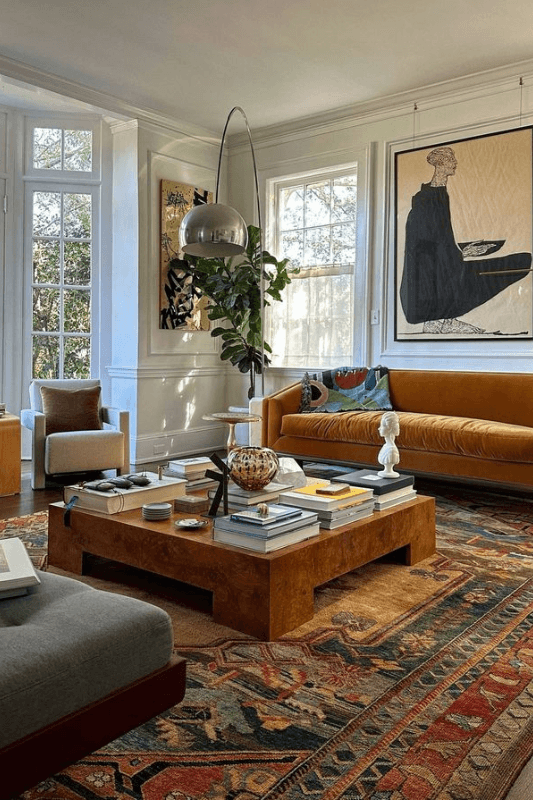
One of the easiest ways to mix vintage and modern decor is to start with a contemporary sofa.
A modern sofa gives the room structure. It is comfortable, practical, and usually simple enough to work with many styles.
If your sofa still feels a little flat, learning how designers drape throw blankets can help you add softness and movement without making the room look messy.
Then layer in vintage accents around it.
Try pairing a modern sofa with:
- A vintage Persian or Turkish rug
- An antique wooden coffee table
- A mid-century side table
- A brass floor lamp
- Old framed artwork
- A weathered trunk used as a table
- Vintage ceramic vases
- Patterned cushions with muted colors
Example
Picture a cream linen sofa with clean lines. Under it, place a faded red vintage rug. Add a dark wood coffee table, two simple black side tables, and a brass reading lamp. Finish the room with abstract art and a few old books.
The sofa keeps the space current. The rug, lamp, and wood tones add history.
In a compact room, this same approach works especially well because one vintage rug, lamp, or table can add character without taking up much space. These small living room decorating ideas can help you keep the layout open while still making it feel layered.
Step 5: Combine a Vintage Dining Table With Modern Chairs
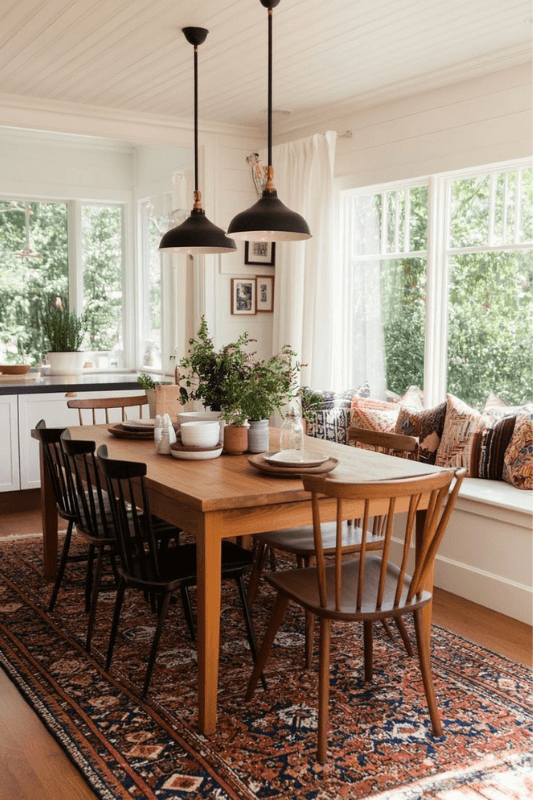
A vintage dining table is one of the best investment pieces for a modern vintage home.
Old dining tables often have beautiful wood grain, solid construction, and natural imperfections that make a room feel warm. But if you pair them with matching antique chairs, the room may look too traditional.
Modern chairs solve that problem.
Good chair options include:
- Upholstered dining chairs
- Black metal chairs
- Curved contemporary chairs
- Scandinavian-style wooden chairs
- Simple leather dining chairs
- Minimal white or cream chairs
Example
Use an antique farmhouse table with modern cream upholstered chairs and a sleek black pendant light above it. Add a simple ceramic vase in the center of the table.
The old table becomes the heart of the room, while the chairs and lighting make it feel updated.
Step 6: Mix Materials for a Layered Look
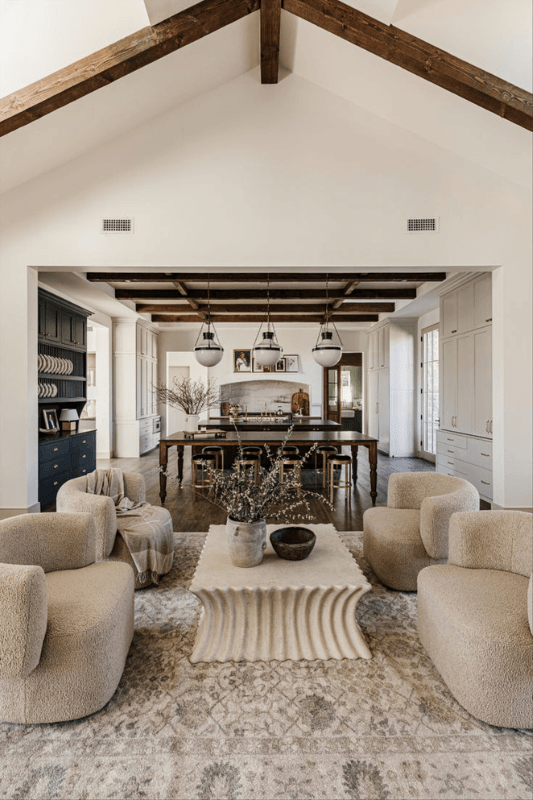
A room feels more interesting when it has a mix of materials.
Vintage and modern decor work especially well when you combine aged, natural textures with smooth, contemporary finishes.
Try mixing:
- Aged wood with polished metal
- Linen with leather
- Brass with matte black
- Marble with rattan
- Velvet with glass
- Ceramic with chrome
- Wicker with clean-lined upholstery
- Stone with warm wood
Example
A modern glass coffee table can feel cold by itself. But place it on a vintage wool rug and style it with a ceramic bowl and old books, and it immediately feels warmer.
An antique wooden cabinet can feel heavy on its own. But add a modern lamp, simple artwork, and a clean vase, and it becomes a stylish focal point.
Texture helps old and new pieces feel connected.
Step 7: Use Accessories to Tie Everything Together
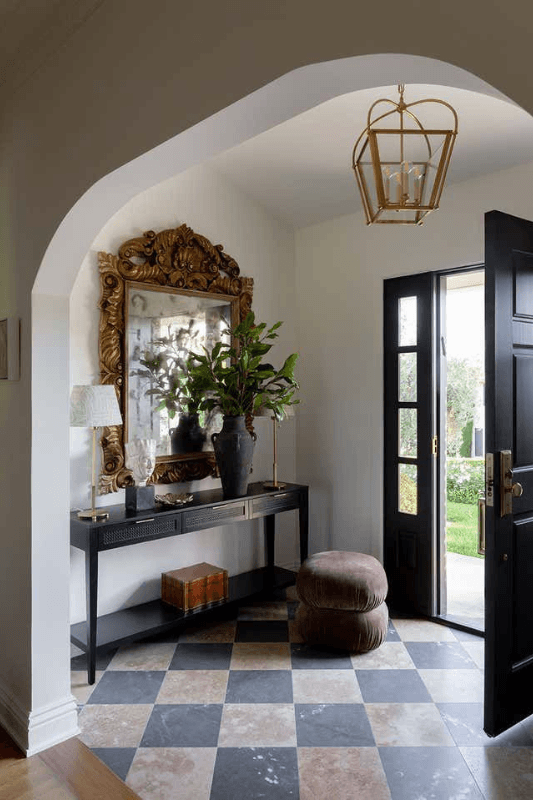
Accessories are the easiest way to blend vintage and contemporary decor. They are also less expensive than large furniture pieces, so they are a good place to experiment.
Vintage Accessories That Work in Modern Spaces
- Antique mirrors
- Brass candleholders
- Vintage lamps
- Old books
- Patterned rugs
- Framed vintage prints
- Ceramic vases
- Wooden bowls
- Woven baskets
- Decorative trays
- Aged picture frames
- Small sculptures or collected objects
Modern Accessories That Work in Vintage Spaces
- Abstract art
- Minimalist lamps
- Sculptural vases
- Simple linen cushions
- Matte black hardware
- Contemporary mirrors
- Modern shelving
- Glass side tables
- Neutral throws
- Clean-lined planters
Easy Styling Idea
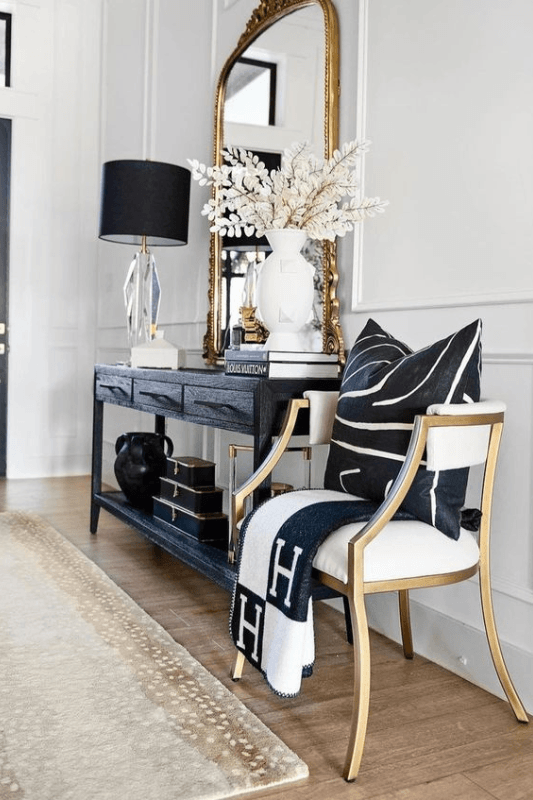
Place a modern black lamp on an antique console table. Hang a round contemporary mirror above it. Add a vintage bowl for keys and one small framed print.
If you are styling a console near the front door, these entryway table decor ideas can give you more ways to layer lamps, mirrors, trays, and collected pieces without overcrowding the surface.
That one corner instantly blends old and new without feeling overdone.
Step 8: Balance Ornate Pieces With Clean Lines
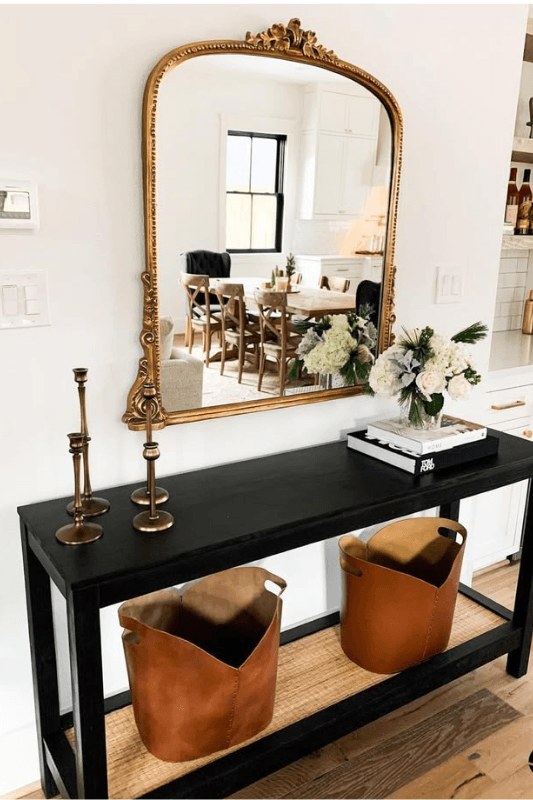
Many vintage pieces have decorative details, such as carved wood, curved legs, patterned fabric, or aged finishes. Modern pieces are usually simpler.
To create balance, pair ornate pieces with clean-lined pieces.
Good Pairings
- A carved antique chair with a plain linen cushion
- A vintage gold mirror above a simple black console
- A traditional rug under a modern sofa
- An old wooden dining table below a contemporary pendant light
- A tufted vintage bench at the foot of a simple bed
- A detailed antique dresser with a minimal round mirror
This keeps the room from feeling too heavy.
When everything is ornate, the room can feel dated. When everything is minimal, it can feel flat. The mix creates depth.
Step 9: Choose One Statement Piece
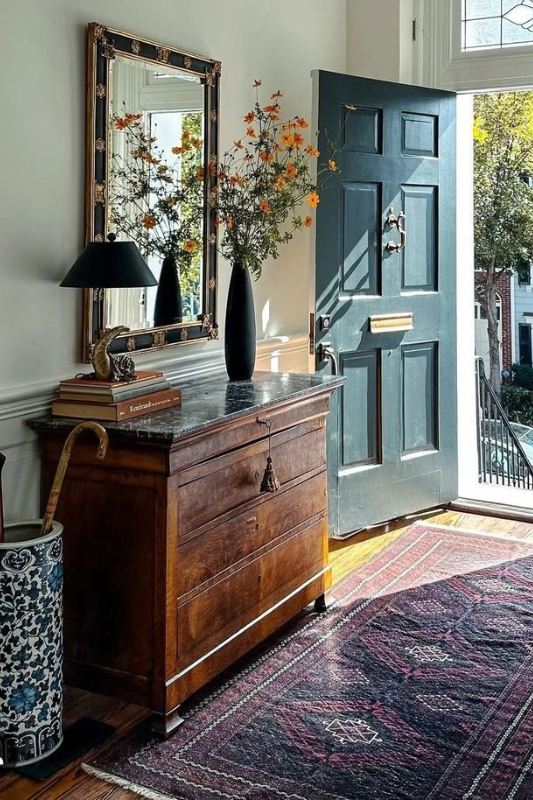
Every room needs a focal point. When you mix vintage and modern styles, it helps to choose one piece as the star.
Your statement piece could be:
- A vintage armoire
- A bold antique rug
- A modern sculptural chair
- A large contemporary painting
- An antique mirror
- A restored wooden dining table
- A dramatic modern chandelier
- A vintage sideboard
Once you choose the star, let the other pieces support it.
Artwork can also become the main feature, especially if you mix vintage frames, modern prints, and personal photos into a living room gallery wall that feels collected over time.
Example
If your vintage rug has a strong pattern, keep the sofa, curtains, and walls simple.
If your modern chandelier is bold, choose quieter dining furniture.
If your antique dresser has beautiful carved details, pair it with simple accessories instead of covering it with too many objects.
A room feels more refined when not every piece is fighting for attention.
Step 10: Pay Attention to Scale and Proportion
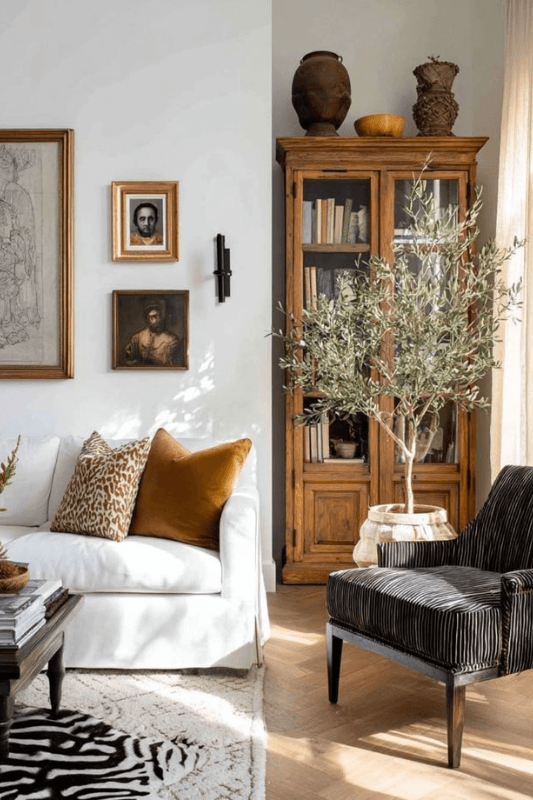
Scale matters when mixing old and new furniture.
Some vintage furniture is large and heavy. Some modern furniture is low and slim. If the sizes do not work together, the room can feel unbalanced.
Before placing a piece, ask:
- Is it too tall?
- Is it too small?
- Is it too bulky?
- Does it overpower the other furniture?
- Does it feel too delicate for the space?
- Does it leave enough room to move around?
Example
A large antique cabinet needs enough wall space around it. It may also need a large piece of modern art nearby to balance its visual weight.
A delicate vintage side table may look strange beside a huge sectional. It might work better next to a slim accent chair.
This is especially useful in awkward corners, where a small vintage chair, pedestal table, or floor lamp can add charm without overwhelming the layout. These living room corner ideas can help you turn those empty spots into something useful and stylish.
A low modern sofa may need taller lamps, artwork, or shelving to give the room height. Good proportions make a mixed-style room feel calm and intentional.
Step 11: Update Vintage Pieces Without Removing Their Charm
Not every vintage piece needs a full makeover. Sometimes the scratches, patina, and worn finish are what make it special.
But small updates can help older furniture fit better in a modern home.
You can:
- Replace outdated hardware with brass, bronze, or matte black pulls
- Reupholster old chairs in linen, velvet, boucle, or leather
- Add a modern lampshade to a vintage lamp base
- Clean and polish wood instead of painting it
- Paint damaged furniture if the original finish cannot be saved
- Use contemporary fabric on a traditional chair frame
- Pair old furniture with modern artwork or lighting
The goal is not to erase the age of the piece. The goal is to make it feel useful, beautiful, and current.
Step 12: Mix Eras Carefully
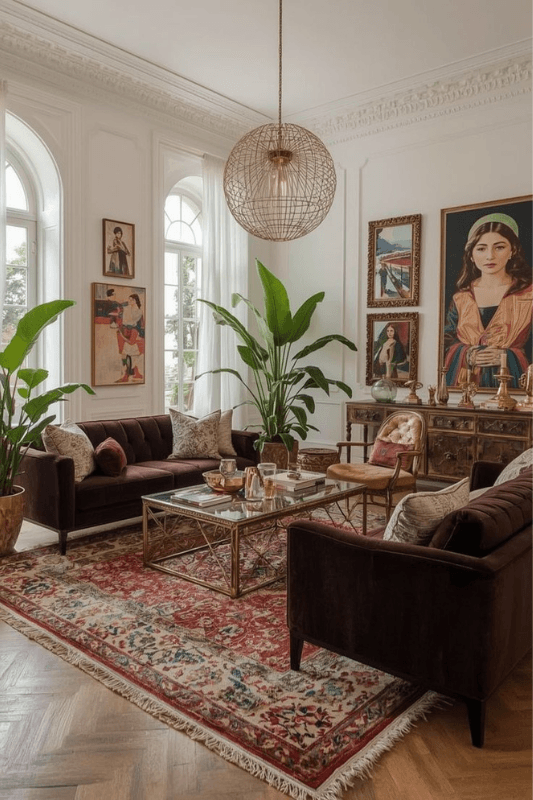
You can mix more than two styles, but you need something to tie them together.
A room can include Victorian, mid-century, Art Deco, farmhouse, and contemporary pieces. But without a shared thread, it may feel random.
Use one of these elements to connect different eras:
- Color
- Wood tone
- Metal finish
- Shape
- Fabric
- Mood
- Scale
- Texture
Example
A curved Art Deco chair, a round modern coffee table, and an arched vintage mirror can work together because they all share rounded shapes.
A mid-century sideboard, modern sofa, and antique brass sconces can work if they share warm tones and simple lines.
The more styles you mix, the more controlled your color palette should be.
Step 13: Layer Rugs, Lighting, and Artwork
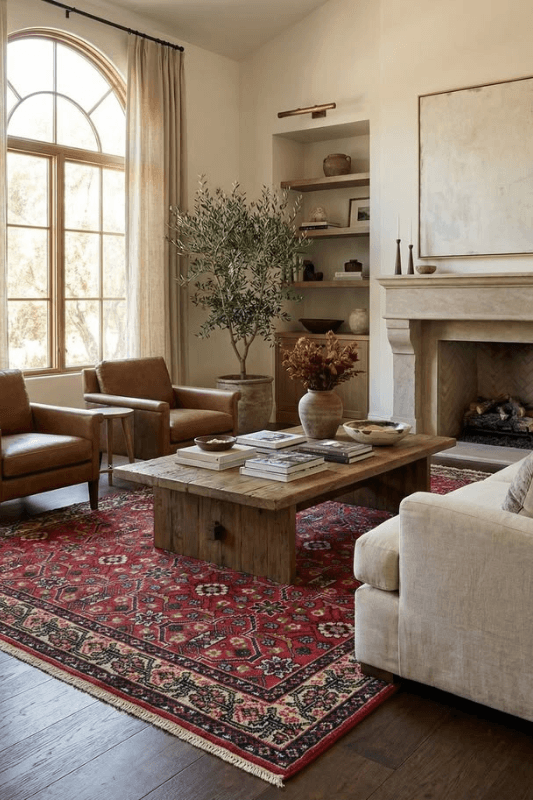
Rugs, lighting, and artwork are powerful tools in modern vintage interior design.
They help connect furniture from different eras and make the room feel finished.
Rugs
A vintage rug can soften a modern room instantly. Persian, Turkish, Moroccan, and faded traditional rugs work beautifully with contemporary furniture.
Use a vintage rug under:
- A modern sofa
- A glass coffee table
- A minimalist dining table
- A contemporary bed
- A clean-lined desk
Lighting
Lighting can shift the entire mood of a room.
Try:
- A modern pendant over an antique dining table
- A vintage brass lamp on a sleek desk
- Contemporary sconces beside a traditional bed
- A sculptural floor lamp next to a vintage chair
Artwork
Artwork is one of the best ways to bridge styles.
Try hanging:
- Abstract art above an antique dresser
- Vintage landscapes in a modern hallway
- Black-and-white photography near classic furniture
- A modern oversized canvas above a vintage sideboard
Art gives the room personality and helps connect old and new.
Room-by-Room Ideas for Mixing Vintage and Modern Decor
Living Room
Start with a modern sofa and simple curtains. Add a vintage rug, antique coffee table, and mid-century armchair. Use a mix of modern and vintage accessories, such as abstract art, old books, and a brass floor lamp.
Why it works:
The modern sofa keeps the room fresh, while the vintage pieces add warmth and character.
Dining Room
Use an antique wooden dining table with modern chairs. Add a sleek pendant light above the table and a vintage sideboard along the wall. Keep the centerpiece simple with a ceramic vase or bowl.
Why it works:
The table feels timeless, while the chairs and lighting keep the space from looking old-fashioned.
Bedroom
Choose a contemporary upholstered bed with clean bedding. Add vintage nightstands, an old bench, a patterned rug, and simple modern lamps or sconces.
To keep the bedside area from feeling cluttered, use these nightstand styling ideas to balance pretty pieces with everyday function.
Why it works:
The room feels soft and calm, but not plain.
Entryway
Place a vintage console table near the door. Hang a large modern mirror above it. Add a sculptural lamp, a woven basket, and a small tray for keys.
For more ways to make this small area feel cozy and pulled together, browse these warm and welcoming entryway ideas before choosing your final accessories.
Why it works:
The entry feels polished, useful, and personal.
Kitchen
If your kitchen is modern, add vintage-style warmth with wooden stools, aged brass hardware, old ceramics, a runner rug, or open shelves with collected pieces.
The key is to keep shelves edited, not packed. These open-shelf styling tricks can help you mix vintage ceramics, glassware, art, and everyday dishes in a way that still feels clean.
Why it works:
Vintage touches soften sleek cabinets and make the kitchen feel more welcoming.
Home Office
Use a modern desk with a vintage chair, or pair an antique desk with a contemporary task lamp. Add framed artwork, a simple shelf, and one or two personal objects.
Why it works:
The mix keeps the space practical but full of character.
Do This, Not That
| Do This | Not That |
|---|---|
| Choose one main style | Mix everything with no clear direction |
| Repeat colors and finishes | Use too many unrelated colors |
| Pair ornate pieces with simple ones | Use too many detailed pieces together |
| Add vintage items with purpose | Fill every surface with old accessories |
| Mix textures thoughtfully | Use only one material or finish |
| Choose fewer statement pieces | Make every piece compete |
| Update old furniture carefully | Remove all vintage character |
| Leave empty space | Overcrowd the room |
Budget-Friendly Ways to Mix Vintage and Modern Decor
You do not need a large budget to create a modern vintage home.
Start with small, high-impact changes.
Try these ideas:
- Add a vintage rug to a modern living room
- Replace basic lamps with vintage brass lamps
- Use old books as coffee table decor
- Hang an antique mirror in a modern hallway
- Buy secondhand wooden side tables
- Add vintage art prints to simple frames
- Replace cabinet hardware with aged brass or matte black
- Style modern shelves with vintage ceramics
- Use a thrifted wooden bench at the end of a bed
- Add a woven basket or old trunk for storage
The best vintage pieces often come from flea markets, estate sales, antique shops, thrift stores, and family hand-me-downs.
Look for quality materials, solid construction, and shapes that still feel useful.
Quick Checklist for a Cohesive Modern Vintage Room
Before you finish the room, check these details:
- Is there one main style leading the space?
- Do the colors repeat throughout the room?
- Is there a balance of old and new pieces?
- Are the wood tones and metal finishes connected?
- Is there a mix of textures?
- Does the room have one clear focal point?
- Are the furniture pieces the right scale?
- Is there enough empty space?
- Do the accessories feel intentional?
- Does the room feel comfortable and personal?
If the answer is yes, your space will likely feel cohesive.
Frequently Asked Questions
Can you mix vintage and modern furniture?
Yes. Mixing vintage and modern furniture is one of the best ways to create a timeless interior. The easiest method is to choose one dominant style, then use the other as an accent. For example, pair a modern sofa with a vintage rug, antique coffee table, or brass floor lamp.
How do you make vintage decor look modern?
To make vintage decor look modern, pair it with clean lines, simple colors, updated lighting, and contemporary accessories. You can also refresh vintage furniture with new hardware, modern fabric, or a simple mirror or artwork nearby.
How do you mix old and new furniture?
Mix old and new furniture by repeating colors, materials, or shapes throughout the room. For example, if you use a vintage walnut dresser, repeat a similar wood tone in a modern picture frame, side table, or chair leg.
What vintage pieces work best in modern homes?
The easiest vintage pieces to use in modern homes are rugs, mirrors, lamps, coffee tables, sideboards, dining tables, dressers, artwork, and ceramic accessories. These pieces add character without overwhelming the room.
How much vintage decor should a room have?
A good starting point is the 70/30 rule. Use 70% of one style and 30% of the other. For example, a mostly modern room can include 30% vintage pieces through rugs, lighting, tables, artwork, and accessories.
Can modern and antique furniture go together?
Yes, modern and antique furniture can work beautifully together. The key is balance. Pair detailed antique pieces with simpler modern pieces, and use color, scale, and texture to connect them.