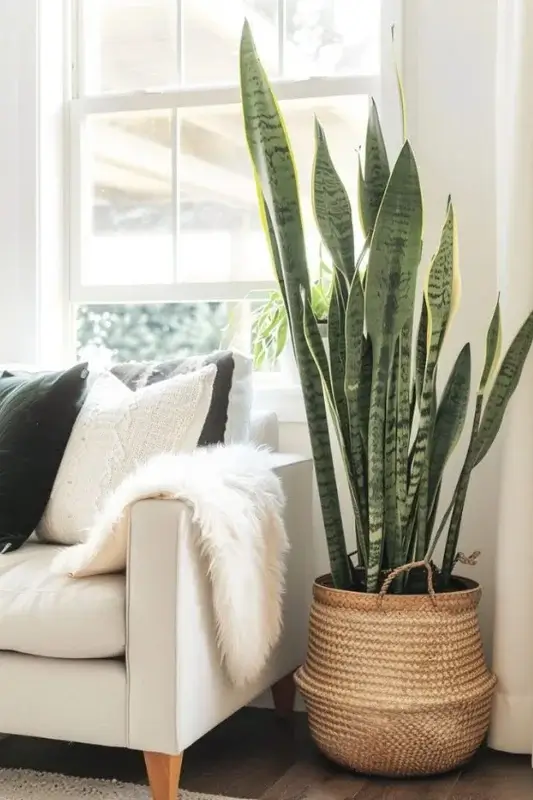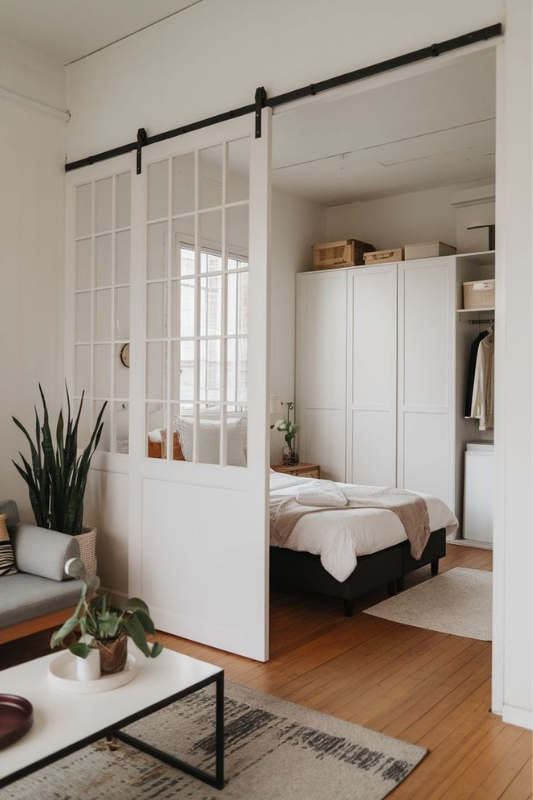
A small living room does not feel cramped because it lacks space. It usually feels cramped because the layout is not working. Furniture placed in the wrong positions can block walkways, break visual flow, and make even a well-decorated room feel tight and uncomfortable, especially when basic small living room decorating ideas are applied without first fixing the layout. This is why choosing the right layout is one of the most important decisions you can make in a small living room.
Whether you are working with an apartment living room, a narrow space, or a compact square room, the way you arrange your sofa, chairs, and TV can make every inch count, especially in studio homes where zoning matters. You may also find these studio apartment layout ideas helpful if your living room shares space with other areas.
In this guide, you will find practical small living room layout ideas that help you arrange furniture with intention, improve flow, and make small spaces feel more functional and comfortable without sacrificing style.
Small living room layout ideas with a sofa and TV 
Where to Place the Sofa in a Small Living Room
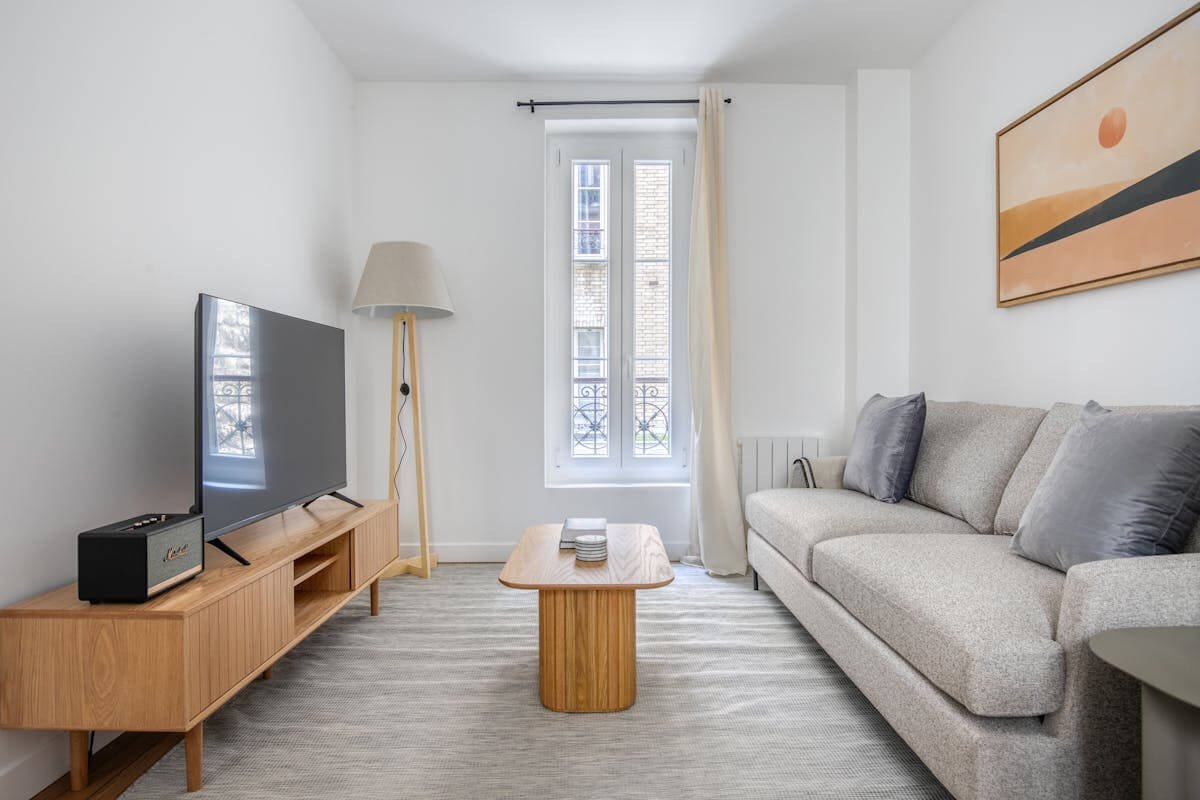
In a small living room, the sofa should anchor the layout without blocking walkways or overwhelming the space. The most effective placement is usually against the longest wall, which helps keep the center of the room open and improves traffic flow. If the room allows, floating the sofa slightly away from the wall can also work, as long as there is enough clearance to walk comfortably behind it.
In smaller living rooms, the right rug size can help anchor the sofa and TV area and prevent furniture from feeling disconnected. This guide on rug placement in small living rooms explains how to choose sizes and layouts that support better flow.
Avoid placing the sofa directly in front of doorways or windows. Blocking these natural paths interrupts movement and makes the room feel smaller. Instead, let the sofa define the seating zone while leaving clear visual lines across the room. Choosing a sofa with clean lines and a low back also helps the space feel more open.
Best TV Placement for Small Living Rooms
The TV should sit directly across from the main seating area to create a balanced and functional layout. In most small living rooms, wall mounting the TV is the best option because it frees up valuable floor space and reduces visual clutter. Mounting the TV at eye level while seated ensures comfort and keeps the layout feeling intentional.
If wall mounting is not possible, place the TV on a low-profile media unit that does not extend too far into the room. Avoid oversized consoles that compete with seating space. The goal is to keep the TV integrated into the layout without letting it dominate the room.
How to Keep Clear Walkways and Good Flow
Clear walkways are essential in a small living room layout. There should be a natural path from the entry point to the seating area without forcing people to squeeze between furniture. Ideally, leave at least enough space for comfortable movement between the sofa, coffee table, and TV area.
Avoid pushing all furniture tightly against the walls, as this can actually make the room feel more crowded. Instead, focus on spacing and alignment. When the sofa and TV are positioned thoughtfully, the room feels calmer, more open, and easier to use, even with limited square footage
Small Living Room Layout Ideas With a Sectional
When a Sectional Works in a Small Living Room
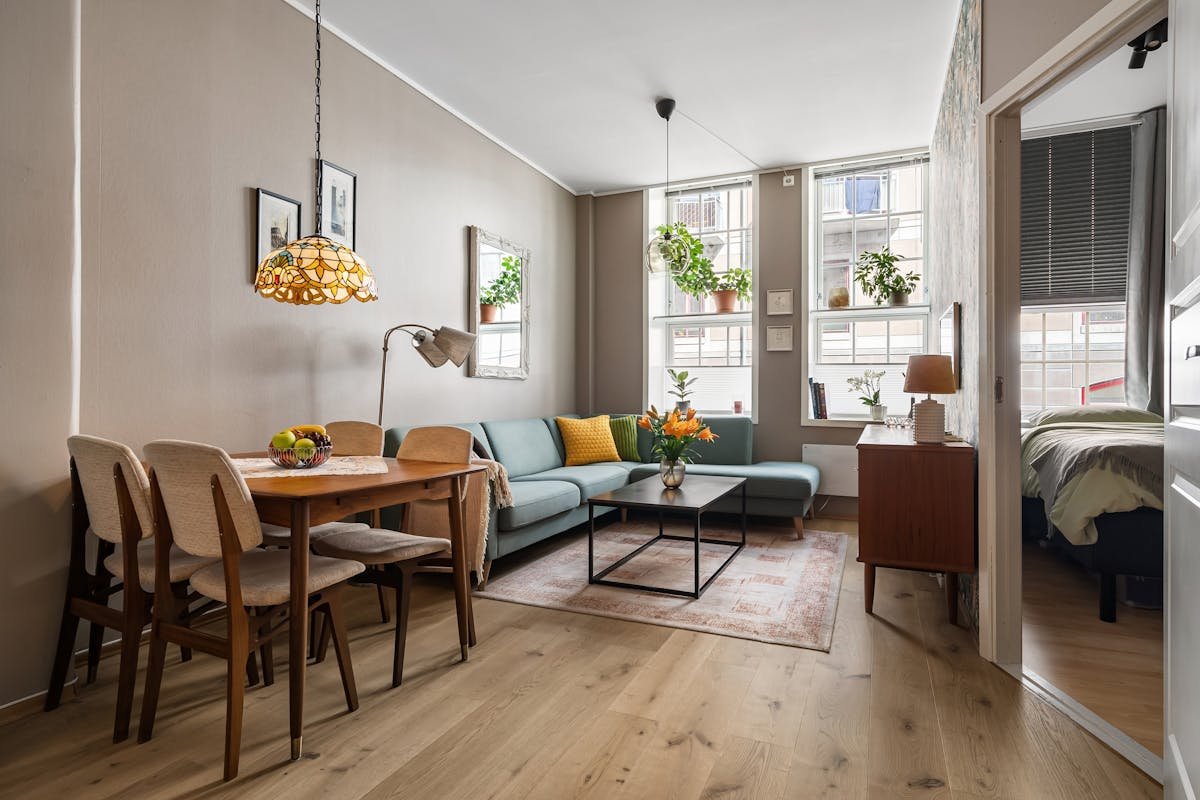
A sectional can work beautifully in a small living room when it is used intentionally. The key is choosing a sectional that fits the room’s scale and supports the layout rather than overpowering it. In many small spaces, a sectional can actually reduce visual clutter by replacing multiple seating pieces with one cohesive unit.
Sectionals work best in rooms where the seating area needs a clear definition, such as open-plan apartments or living rooms that share space with dining or work zones. When placed correctly, a sectional can help anchor the room and make the layout feel organized and purposeful.
Best Sectional Placement for Small Spaces
The most effective placement for a sectional in a small living room is usually along two adjacent walls, forming an L shape. This keeps the center of the room open and maintains clear walkways. Position the longer side of the sectional against the longest wall, and let the shorter return define the seating area without cutting into traffic flow.
In square rooms, placing the sectional in a corner often works best. In narrow rooms, orient the sectional so it runs lengthwise rather than across the width of the space. Avoid placing the sectional where it blocks doors, windows, or main walkways, as this instantly makes the room feel cramped.
What Size Sectional to Avoid in a Small Living Room
Oversized sectionals with deep seats, bulky arms, or oversized chaises are one of the most common layout mistakes in small living rooms. These pieces quickly dominate the space and leave little room for movement. Instead, choose a sectional with slimmer arms, a lower back, and a compact chaise if needed.
Before committing to a sectional, measure the room carefully and map out the layout on paper or with painter’s tape on the floor. This helps you visualize how much space the sectional will actually take up and ensures there is enough clearance for walkways, coffee tables, and access points.
How to Balance a Sectional With the Rest of the Layout
When using a sectional in a small living room, balance is essential. Pair it with a lightweight coffee table, nesting tables, or an upholstered ottoman to avoid adding visual weight. Keep the TV placement aligned with the main seating position so the layout feels intentional and easy to use.
A well-placed sectional should support the room’s flow, not fight it. When sized correctly and positioned with care, it can make a small living room feel cozy, functional, and surprisingly spacious.
Small Living Room Layout Ideas for Narrow Rooms
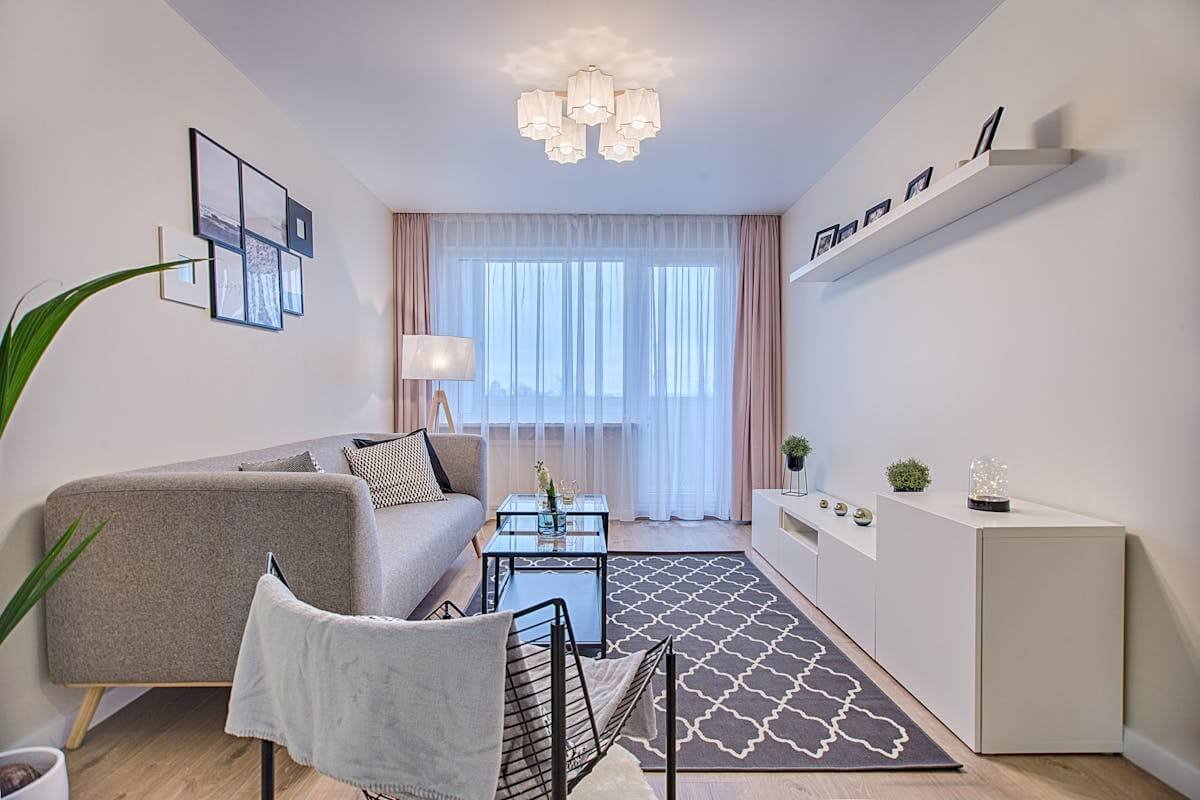
Narrow living rooms can feel especially challenging, but thoughtful furniture placement can dramatically improve flow. If you need a deeper breakdown, this guide on arranging furniture in a narrow living room walks through practical layouts that work in long, tight spaces.
Use a One-Wall Furniture Layout
In very narrow living rooms, placing the main seating along one long wall is often the most effective solution. Position the sofa against the longest wall and keep all major furniture aligned on that same side. This creates a clear walking path along the opposite side of the room and prevents the layout from feeling congested.
This approach works especially well in apartment living rooms where the space also functions as a pass-through between rooms. Keeping one side visually lighter helps the room feel wider and easier to move through.
Float Furniture Without Blocking the Walkway
Floating furniture can still work in a narrow living room, but it must be done carefully. If you float a sofa, keep it parallel to the long wall and leave enough space behind it for a clear walkway. This technique works best when the floating sofa helps define the living area without cutting off access to doors or windows.
Avoid placing chairs or tables directly opposite the sofa if it forces people to squeeze between furniture. Instead, use compact accent seating or skip extra pieces altogether to preserve flow.
Keep the TV and Focal Point Aligned
In a narrow room, alignment matters more than symmetry. Place the TV on the wall directly across from the sofa, even if it is not perfectly centered in the room. This keeps the layout functional and prevents awkward viewing angles.
Wall mounting the TV is especially helpful in narrow spaces because it keeps the floor clear and reduces visual bulk. The cleaner the lines, the more open the room will feel.
Avoid the Hallway Effect
One of the biggest risks in a narrow living room is creating a space that feels like a corridor rather than a place to relax. To avoid this, resist the urge to line both long walls with furniture. Instead, let one wall remain mostly open or lightly styled so the room can breathe.
Rugs can also help visually widen the space when placed perpendicular to the room’s length. This breaks up the long, narrow feel and helps define the seating zone more clearly.
Small Living Room Layout Ideas for Multipurpose Spaces
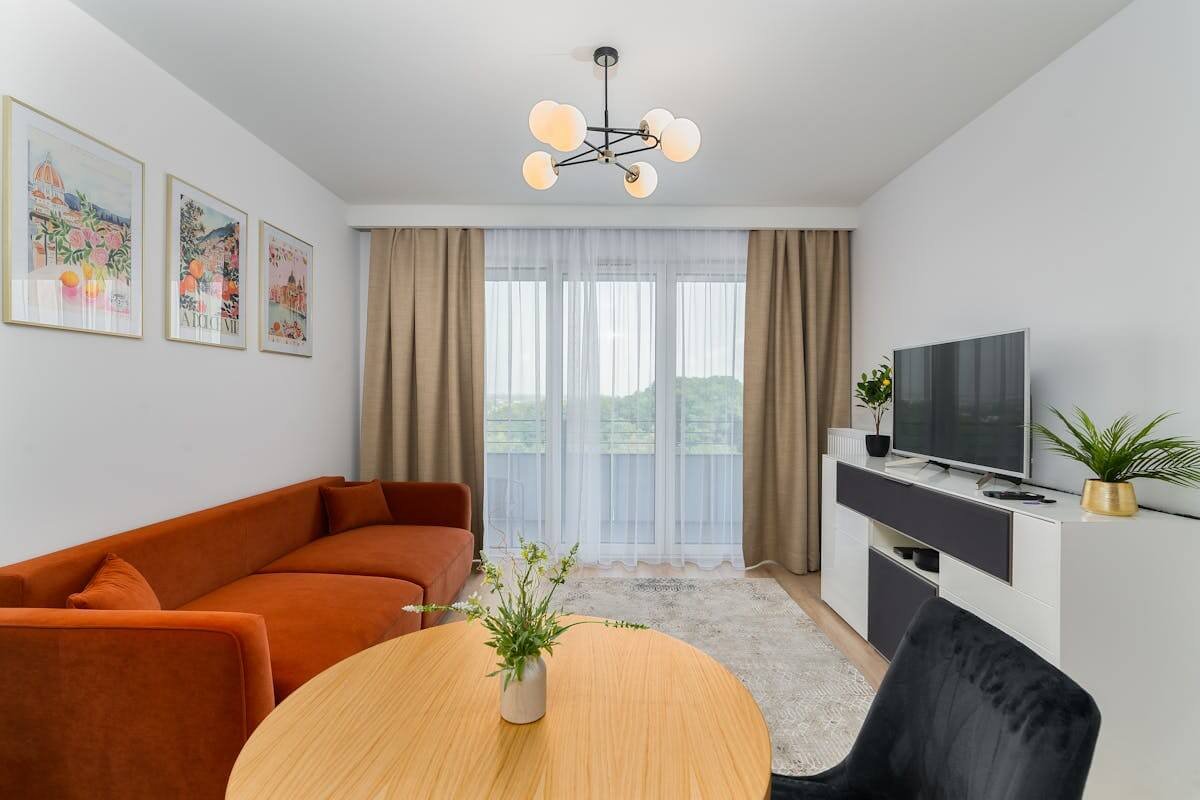
In many homes, especially apartments, the living room often needs to serve more than one purpose. It might double as a home office, dining area, or guest space. The challenge is creating a layout that supports multiple functions without making the room feel cluttered or chaotic. A successful multipurpose living room layout starts with clear zones and intentional furniture placement.
Define Zones Without Building Walls
The most effective way to handle a multipurpose living room is by dividing the space into zones. Instead of physical walls, use furniture placement to signal how each area is used. For example, a sofa can define the living area while a desk or dining table sits just beyond it. This creates separation while keeping the room visually open.
Rugs are also useful for zoning. Placing a rug under the seating area helps anchor the living room layout and makes the space feel organized, even when multiple activities are happening in the same room.
Choose Furniture That Supports More Than One Function
In a multipurpose layout, every piece of furniture should earn its place. Ottomans can serve as seating, footrests, or coffee tables. Consoles can double as work surfaces. A compact desk can fit seamlessly behind a sofa or along a wall without disrupting the main layout.
The goal is not to squeeze in as many functions as possible, but to support daily routines in a way that feels natural. Thoughtful furniture placement helps the room transition easily between work, relaxation, and social time.
Keep the Main Walkways Clear
One of the most common mistakes in multipurpose living rooms is blocking walkways with extra furniture. No matter how many functions the room serves, there should always be a clear path through the space. This keeps the layout feeling open and prevents the room from feeling crowded.
When planning the layout, identify the main walkways first, then arrange furniture around them. This ensures that the room remains comfortable and easy to use throughout the day.
Maintain a Cohesive Layout
Even in a multipurpose space, the living room layout should feel cohesive. Keep furniture aligned and scaled appropriately so that no single area feels disconnected from the rest of the room. When each zone works together visually, the entire space feels calmer and more intentional.
A well-planned multipurpose layout allows a small living room to adapt to different needs without sacrificing comfort or flow.
Common Small Living Room Layout Mistakes to Avoid
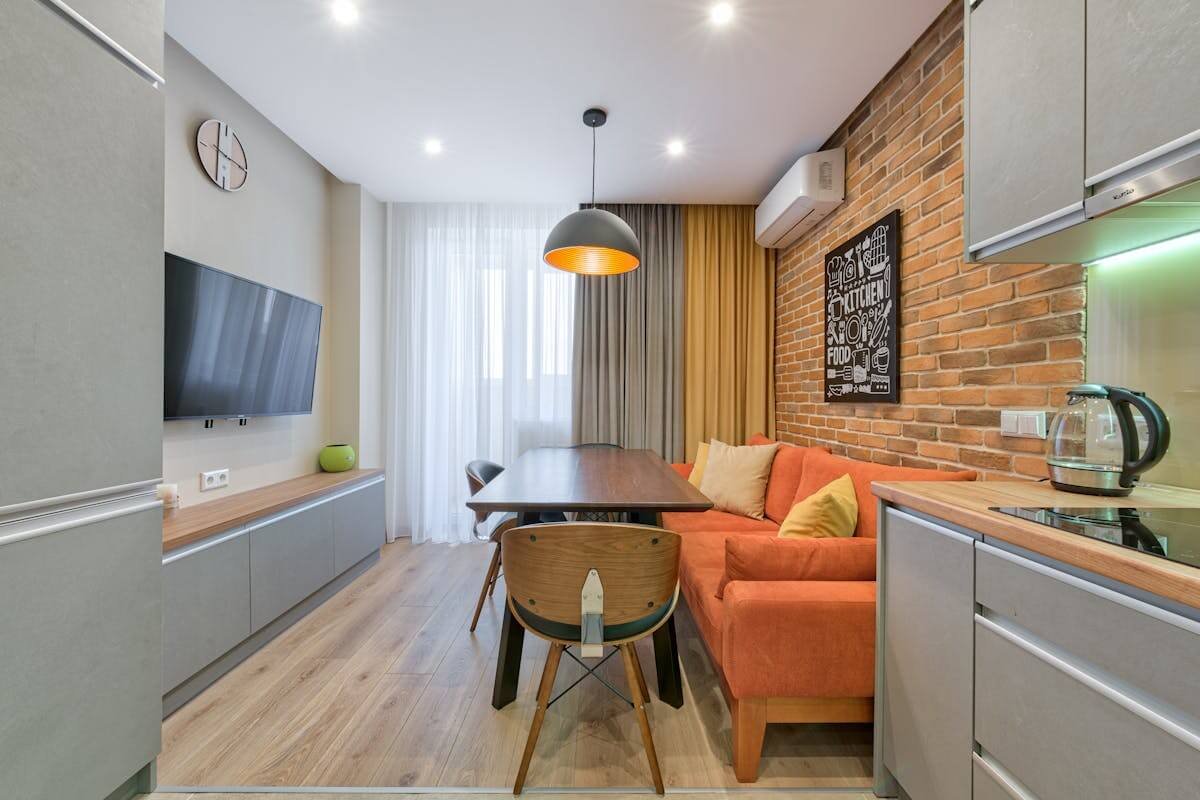
Even with the right furniture, a small living room can feel cramped if the layout is not carefully planned. Many layout issues come from habits that seem logical but actually work against the space. Avoiding these common mistakes can instantly improve flow and make the room feel more open and functional.
Pushing All Furniture Against the Walls
One of the most common layout mistakes is lining every piece of furniture against the walls. While this may seem like it creates more space, it often has the opposite effect. The room can feel disconnected and awkward, with no clear seating zone.
In many cases, floating furniture slightly away from the walls creates better balance and improves circulation. Even a small adjustment can make the layout feel more intentional and comfortable.
Blocking Natural Walkways
A small living room should always have a clear and natural path for movement. Placing furniture in a way that forces people to squeeze between pieces or walk around obstacles makes the space feel tight and frustrating to use.
Before finalizing a layout, walk through the room and identify how people enter, exit, and move through the space. Furniture should support these pathways, not interrupt them.
Choosing Furniture That Is Too Large
Oversized sofas, deep sectionals, and bulky chairs are one of the fastest ways to overwhelm a small living room. Furniture that is too large limits movement and dominates the layout, leaving little room for balance.
Instead, focus on furniture that fits the scale of the room. Slimmer profiles, lower backs, and lighter visual weight help the layout feel open without sacrificing comfort.
Ignoring the Focal Point
Every small living room needs a clear focal point, whether it is a TV, fireplace, or window. Ignoring this and placing furniture randomly can make the room feel disorganized.
Arrange seating so it naturally faces the focal point. This creates a sense of order and makes the layout easier to use daily.
Trying to Fit Too Many Functions Without a Plan
Multipurpose living rooms work best when each function has a clear place. Trying to add a desk, dining table, extra seating, and storage without zoning the space leads to clutter and confusion.
A better approach is to decide which functions matter most and build the layout around them. This keeps the room flexible without sacrificing flow.
How to Choose the Best Layout for Your Lifestyle
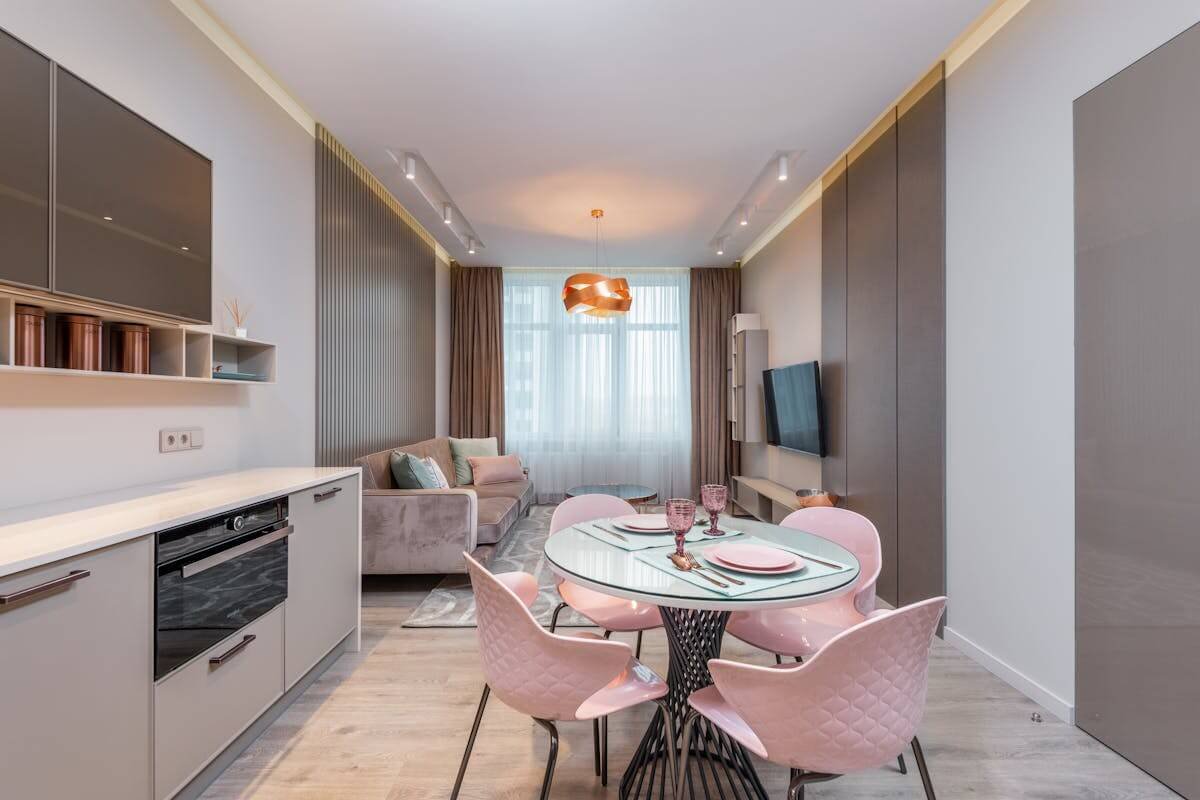
The best small living room layout is not just about size. It is about how you live. A layout that works for entertaining may not suit someone who works from home or prefers quiet evenings.
If your living room is mainly for relaxing, prioritize comfortable seating and clear sightlines to the TV. If you host guests often, focus on conversation-friendly layouts with seating that faces inward. For homes that need to support work or dining, zoning and flexible furniture become even more important.
Choosing a layout that supports your daily habits makes a small living room feel easier to live in and far more functional.