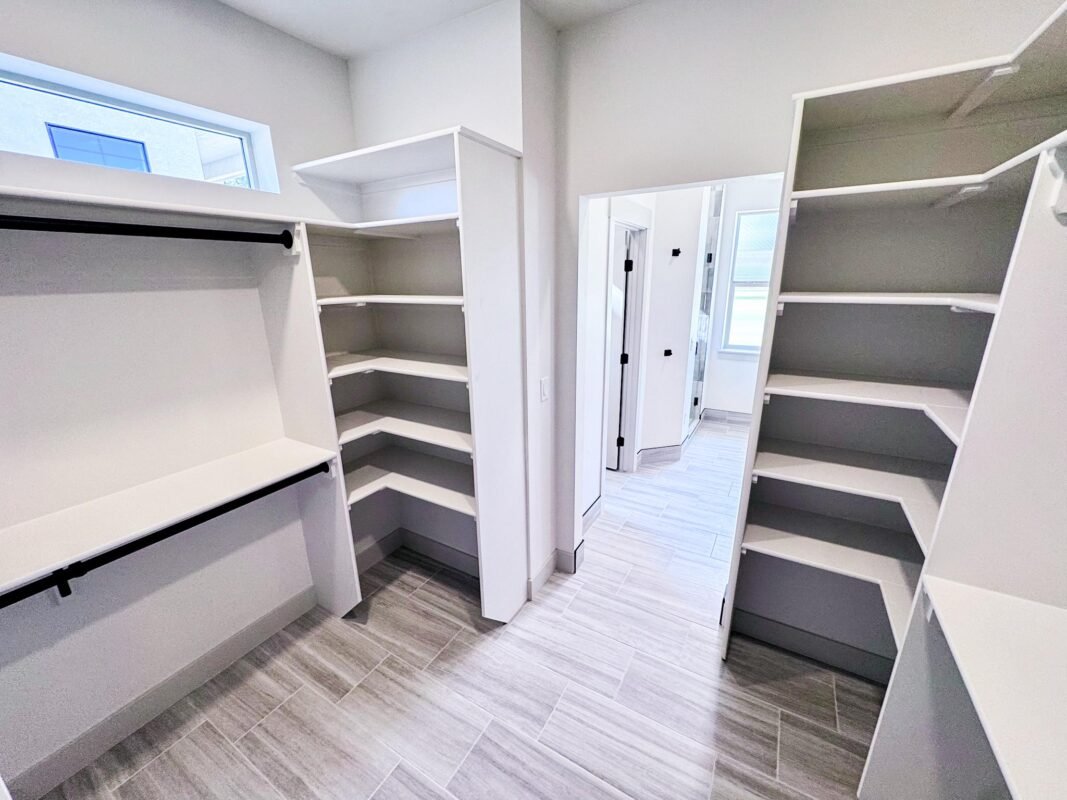
A small walk-in closet sounds like a win. You can step inside, close the door, and finally get everything off the bedroom floor.
Then you try to use it.
Drawers won’t open without blocking the aisle. Clothes feel crowded even though you’ve edited them down. Shoes pile up where you’re supposed to stand. The problem usually isn’t how much you own. It’s how the space is laid out.
This guide is about layouts that actually work in small walk-in closets. Not inspirational photos. Not overbuilt systems. Just clear, realistic setups for the most common small sizes, from 5×5 up to 6×8.
Find your closet size, follow the layout that fits it, and avoid the mistakes that make small closets feel frustrating.
What Counts as a Small Walk-In Closet?
A small walk-in closet is big enough to step into and turn around, but not big enough for center islands, wide aisles, or deep storage on every wall.
In most homes and apartments, that usually means closets in the 5×5 to 6×8 range.
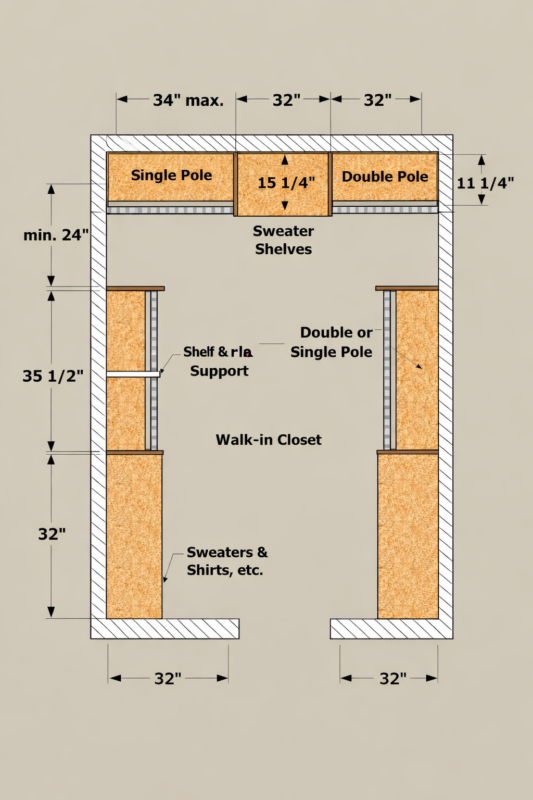
Here’s a simple way to think about it:
5×5 is the smallest size that can function as a true walk-in (barely, but it can work).
Long, narrow sizes like 5×8 need layouts that protect the walkway, or they’ll feel tight fast.
Sizes closer to 6×8 offer more flexibility, but bad depth choices can still ruin them.
The label doesn’t matter. What matters is whether your layout leaves enough clear space to move, reach your clothes, and open drawers without playing Tetris every morning.
How to Choose the Right Layout for a Small Walk-In Closet
Before you look at layouts by size, make these decisions once. This prevents most of the mistakes people regret later.
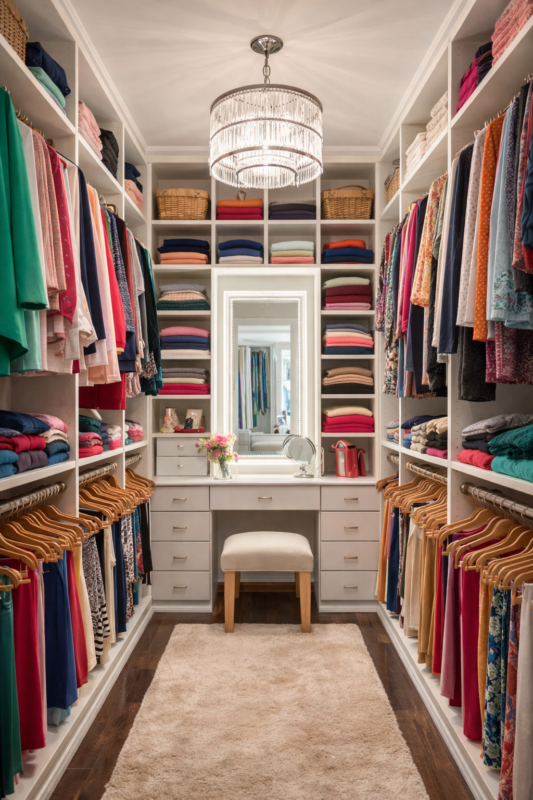
Step 1: Protect the walkway first
In a small walk-in closet, the space you stand in matters more than extra storage.
Aim for 30–36 inches of clear walking space.
If storage on both sides eats into that, the layout won’t feel good long-term.
If you have to turn sideways to reach things, the layout is wrong.
Step 2: Decide between single-sided and double-sided storage
This choice solves most layout problems.
Single-wall layouts work best in very small or narrow closets.
Double-sided layouts only work when at least one side is shallow.
If both sides use full-depth hanging and the closet is under six feet wide, it will feel cramped quickly.
Step 3: Match the layout to the shape, not just the size
Two closets with the same square footage can need completely different layouts.
Square closets need restraint.
Long, narrow closets benefit from a long run or an L-shape.
Wider rectangles can sometimes handle a compact U-shape.
The shape tells you where storage should stop and open space should begin.
Step 4: Choose one layout and commit
Small walk-in closets work best when the layout is simple and intentional.
The layouts that consistently work are:
Single-wall
Double-wall (with one shallow side)
L-shape
Compact U-shape (only at the upper end of “small”)
Mixing layouts usually leads to blocked drawers and wasted space.
5×5 Walk-In Closet Layout (The Smallest Size That Works)
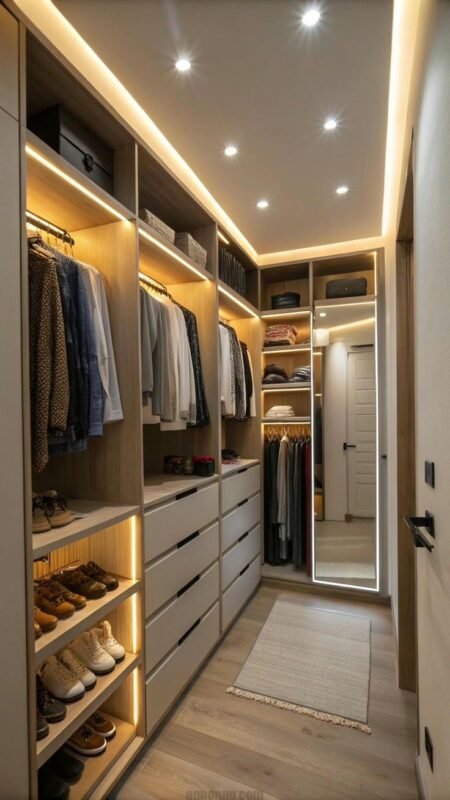
A 5×5 walk-in closet is the smallest size that can still function as a true walk-in. It works, but only if the layout is restrained. This is not a space where you can use every wall.
Best layout for a 5×5 closet
Single-wall layout with limited back-wall storage
This layout works because it:
Preserves enough open floor space to stand and turn
Avoids the boxed-in feeling that double-sided layouts create
Keeps everything visible and easy to reach
Think of this closet as one main storage wall, not storage on all sides.
What to include
One full-height hanging section, or split hanging if most items are short
Shallow shelves or cubbies on the back wall
Hooks or narrow accessory storage instead of drawers
Shallow storage matters more than variety here.
What to avoid
❌ Hanging on both side walls
❌ Deep drawers
❌ Bulky closet systems
❌ Anything that reduces the clear walkway below 30 inches
If opening a drawer blocks where you stand, the layout is wrong.
Pro tip
If the door swings inward, switch to an outward swing or a sliding door. That single change can make a 5×5 closet feel dramatically more usable.
5×6 Walk-In Closet Layout (Very Common, Easy to Overbuild)
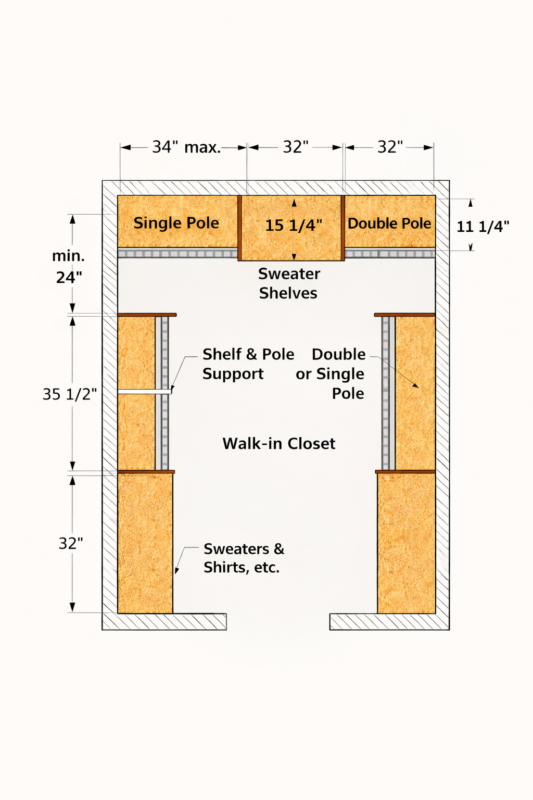
A 5×6 walk-in closet is extremely common in apartments and condos. It feels like an upgrade from 5×5, but it’s still unforgiving if you push storage too far.
Best layout for a 5×6 closet
Single-wall layout with a shallow return
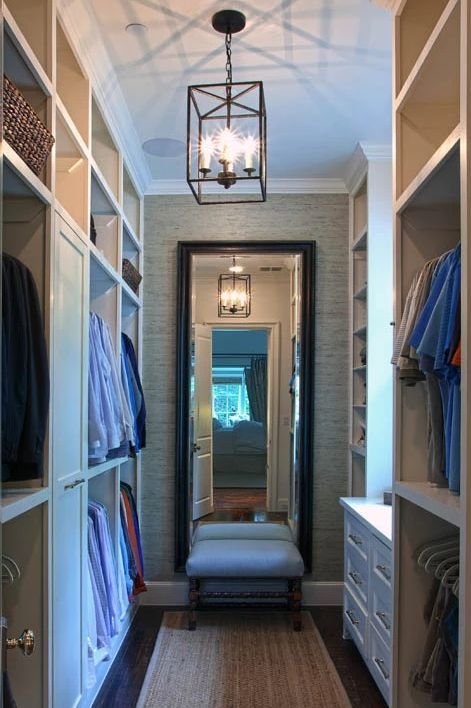
This works because it:
Keeps the walkway comfortable
Adds storage without closing the space in
Works well with sliding or bifold doors
The goal is balance, not maximum capacity.
What to include
One main hanging wall
Shallow shelves or shoe storage on the short wall
Split hanging if ceiling height allows
Depth control is everything at this size.
What to avoid
❌ Full-depth storage on both sides
❌ Drawer stacks that block the aisle
❌ Overhead cabinets that lower the visual ceiling
If the closet feels tight the moment you step in, you’ve added too much.
Pro tip
If you want double-sided storage, keep one side under 12 inches deep. Shoes, shelves, and accessories work better than hanging clothes here.
5×8 Walk-In Closet Layout (Long and Narrow)
A 5×8 walk-in closet looks generous on paper, but the narrow width makes layout critical. The length helps only if you respect the aisle.
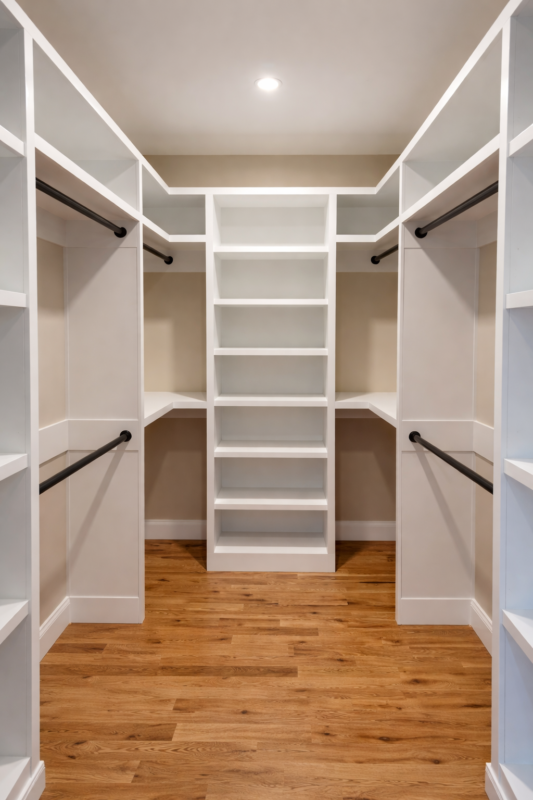
Best layout for a 5×8 closet
L-shaped layout or long single-wall layout
This works because it:
Uses the long wall efficiently
Keeps the walkway clear from end to end
Prevents the tunnel effect, narrow closets often get
Flow matters more than filling every wall.
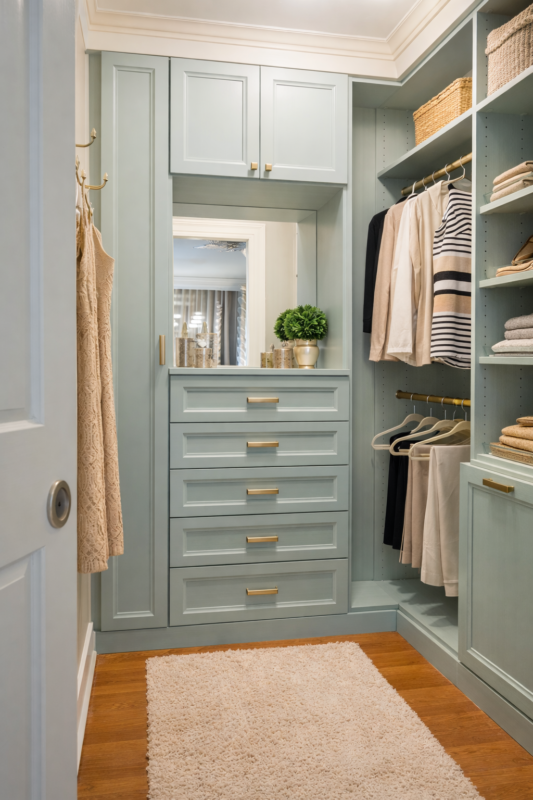
What to include
Double hanging along the long wall (if ceiling height allows)
Shelves or cubbies on the short return wall
Vertical or low shoe storage at one end
This is where vertical stacking finally starts to help.
What to avoid
❌ U-shaped layouts
❌ Deep storage on both long walls
❌ Drawer banks mid-run
Even though the closet is longer, blocking the aisle makes it feel smaller.
Pro tip
If the door is on the short wall, keep the first 24–30 inches visually open. First impressions matter in narrow spaces.
6×6 Walk-In Closet Layout (Square, but Tricky)
A 6×6 walk-in closet feels flexible because it’s square. In reality, this is where people most often overbuild and regret it later.
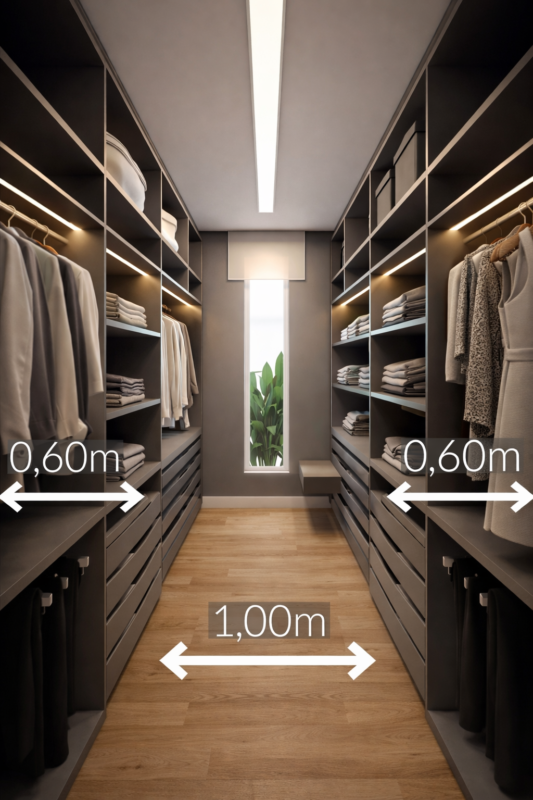
Best layout for a 6×6 closet
Careful double-sided layout with one shallow side
This works because it:
Uses the extra width without choking the aisle
Balances hanging with access
Feels intentional instead of crowded
This is the smallest size where double-sided storage can work — if done carefully.
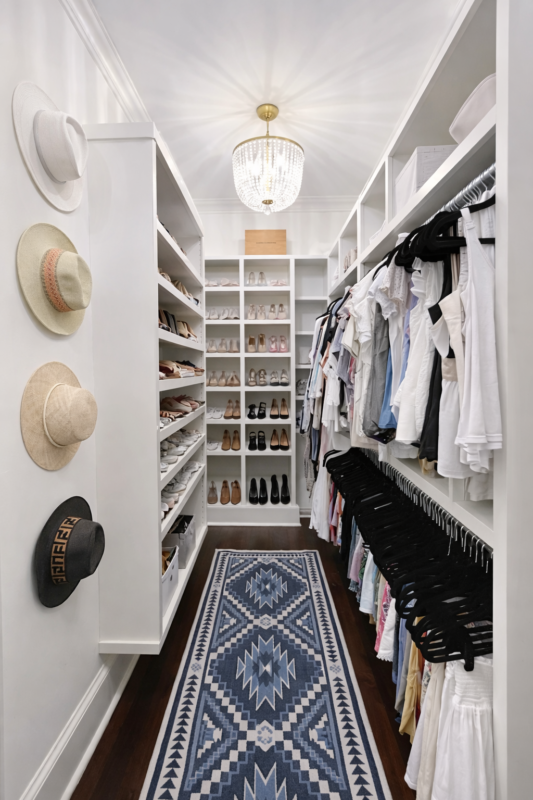
What to include
Hanging storage on one wall
Shallow shelves, drawers, or shoes on the opposite wall
Upper shelves are kept minimal and aligned
Depth discipline matters more than quantity.
What to avoid
❌ Full-depth hanging on both sides
❌ Oversized drawer units
❌ Floor-to-ceiling cabinetry on every wall
This is the size where “just one more cabinet” usually breaks the layout.
Pro tip
Keep one side under 14 inches deep. That preserves a comfortable walkway and prevents the boxed-in feeling.
6×8 Walk-In Closet Layout (Upper End of Small)
A 6×8 walk-in closet sits at the upper edge of what’s still considered small. You have options here, but bad depth choices can still ruin the space.
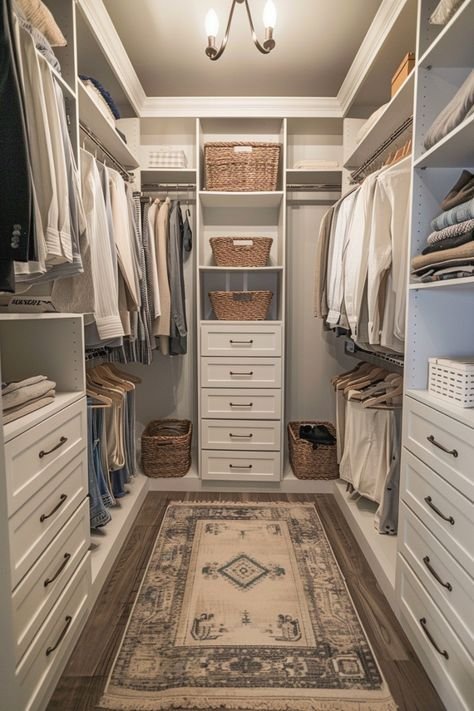
Best layout for a 6×8 closet
Compact U-shaped layout or balanced double-sided layout
This works because:
The extra length allows storage on three sides
Hanging, shelving, and shoes can be clearly separated
The closet feels planned, not improvised
Good planning shows at this size.
What to include
Hanging sections on the long walls
Shelves or drawers on the back wall
A clear central walkway of 30–36 inches
More walls don’t mean more depth everywhere.
What to avoid
❌ Deep storage on all three sides
❌ Drawer banks near the entrance
❌ Overloading upper shelves with bulky bins
This is where people spend the most money fixing avoidable mistakes.
Pro tip
If you choose a U-shape, keep one side visually lighter. Open shelving or shoe storage helps the space breathe.
Storage Zoning That Works in Any Small Walk-In Closet
No matter the size, small walk-in closets work best when storage is organized by how often you use items, not by category alone.
Zone 1: Everyday hanging (eye level)
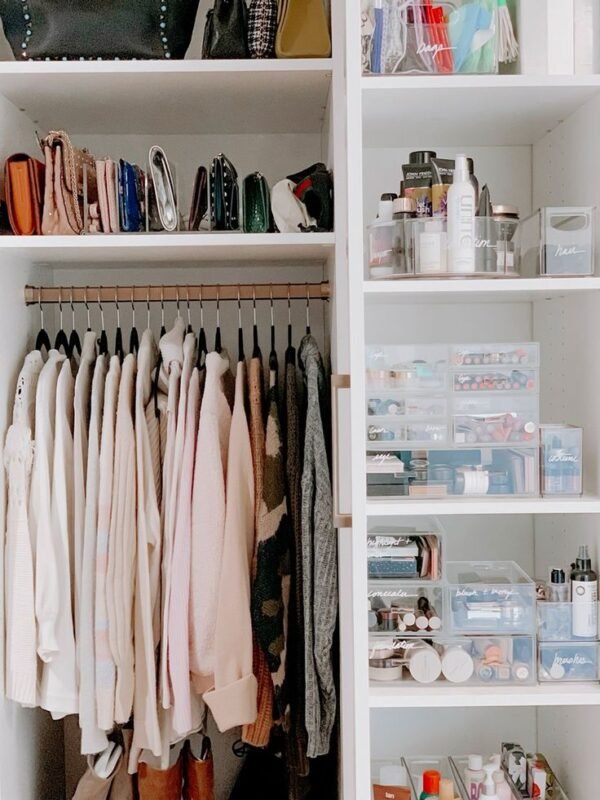
This is your prime real estate.
Daily clothes belong here
Keep this area uncluttered and easy to scan
Use double hanging only if it doesn’t crowd the aisle
If you reach for it every morning, it should be front and center.
Zone 2: Shelves and drawers (mid to upper)
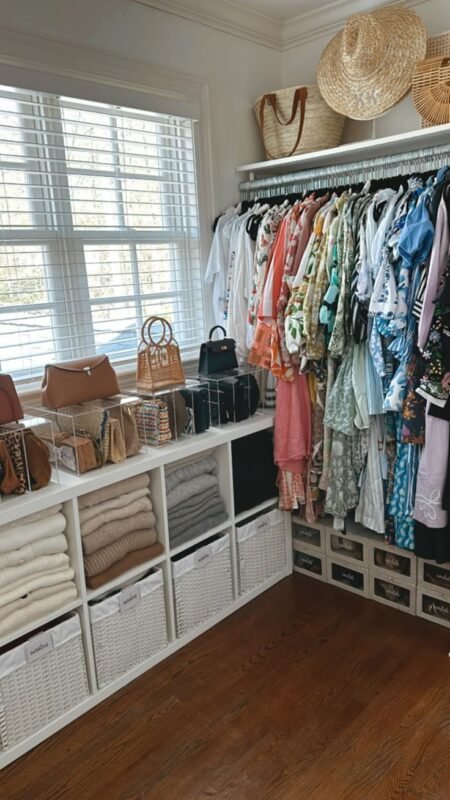
Best used for:
Folded clothes
Bags
Accessories
Keep shelves shallow, especially in small closets. Deep shelves waste space because items disappear into the back and get forgotten.
Zone 3: Shoes (low or vertical)
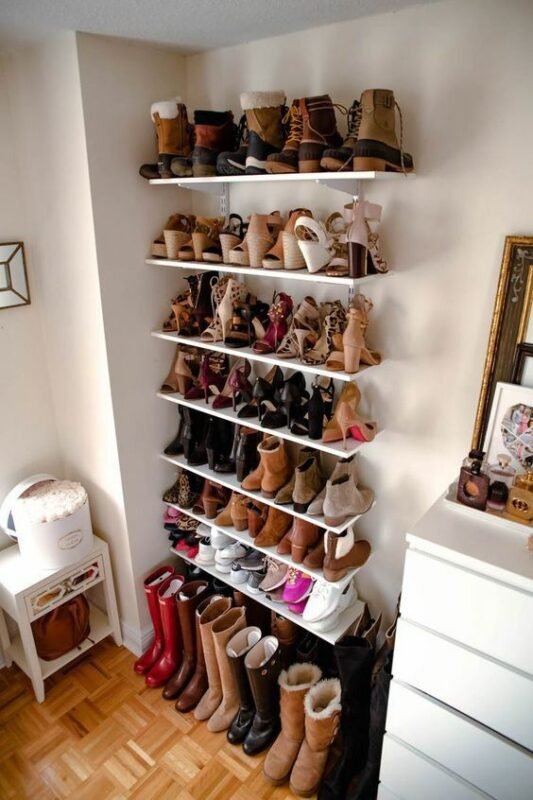
Shoes eat space faster than almost anything else.
What works best:
Vertical shoe racks
Low shelves along the floor
Back-wall shoe storage
Avoid wide shoe shelves that push into the walkway. They make the closet feel tighter instantly.
Zone 4: Seasonal or rarely used items (top)
This is bonus space, not everyday storage.
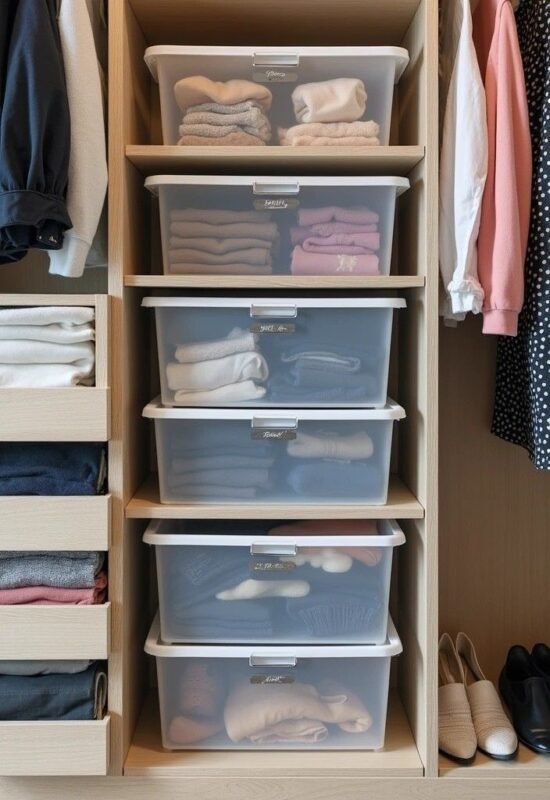
Good uses:
Labeled bins
Vacuum-sealed bags
Off-season clothing
If everything is stored “up top,” the closet will feel cluttered no matter how organized it is.
Lighting Tips That Make a Small Walk-In Feel Bigger
Lighting won’t fix a bad layout, but it can make a good one feel twice as usable.
Keep it simple and even
Small walk-in closets work best with bright, shadow-free lighting.
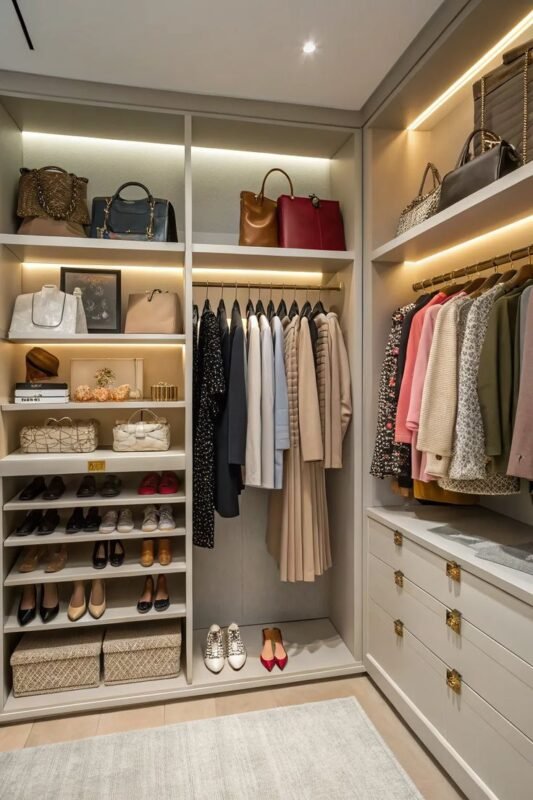
One strong overhead fixture can work if it’s bright enough
LED strips under shelves or hanging rods improve visibility
Motion-sensor lights are practical in tight spaces
The goal is to see everything clearly without adding visual clutter.
What to avoid
❌ Large pendant lights that eat vertical space
❌ Dim, warm lighting that makes colors hard to judge
❌ A single weak light at the doorway
If the back of the closet feels dark, the lighting plan isn’t finished.
Pro tip
Neutral white light (not yellow) makes a small walk-in feel cleaner and more open, especially in closets without natural light.
Ventilation and Odor Control (Often Overlooked)
Small walk-in closets are enclosed spaces. Without airflow, they trap moisture and odors even when everything looks organized.
Basic ventilation tips
Leave small gaps between hanging clothes
Don’t block vents with shelves or bins
In humid climates, a small fan or passive vent helps
Airflow matters more than most people realize.
Simple odor control
Use moisture absorbers or desiccant packs
Avoid storing damp or recently worn clothes
Keep shoes low and slightly spaced apart
If a closet smells musty, it’s usually an airflow problem, not a cleanliness issue.
Pro tip
If humidity is an issue where you live, choose open shelving over solid cabinetry. Breathable storage reduces odor buildup long-term.
Small Walk-In Closet Layout Checklist
Before committing to a layout, run through this once. It catches mistakes that people usually notice after installation.
⬜ Measure wall-to-wall dimensions and ceiling height
⬜ Note door swing, vents, and obstructions
⬜ Protect 30–36 inches of clear walkway
⬜ Choose one layout type and stick to it
⬜ Keep at least one side shallow in tight spaces
⬜ Place everyday clothes at eye level
⬜ Plan lighting so the back of the closet isn’t dark
⬜ Leave space between clothes for airflow
If you can check all of these boxes, the closet will feel intentional, not cramped.
Final Takeaway
A small walk-in closet doesn’t need more ideas. It needs the right layout for its size.
Once the layout works:
Storage feels easier
Mornings feel calmer
And the space finally does what it’s supposed to do
Get the layout right first. Everything else follows.
Yes. A 5×5 closet can work as a walk-in if you maintain about 30 inches of clear floor space and use a single-wall layout. Double-sided storage usually makes this size feel cramped.
Most small walk-in closets need 30–36 inches of clear walking space. Anything less quickly feels tight and makes the closet harder to use.
Sometimes. Double hanging works best on one wall or in longer closets like 5×8 or 6×8. Using it on both sides in narrow closets usually crowds the aisle.
Single-wall layouts work best in tight spaces. Double-sided layouts only work when one side is shallow, such as shelves or shoe storage.
Aim for 10–14 inches deep. Shallow shelves keep items visible and protect the walkway. Deep shelves often waste space in small closets.
Because of the layout, not clutter. Deep storage on both sides, poor lighting, or a blocked walkway can make even a neat closet feel tight.