Layered Rug Ideas: How to Layer Rugs Like a Designer
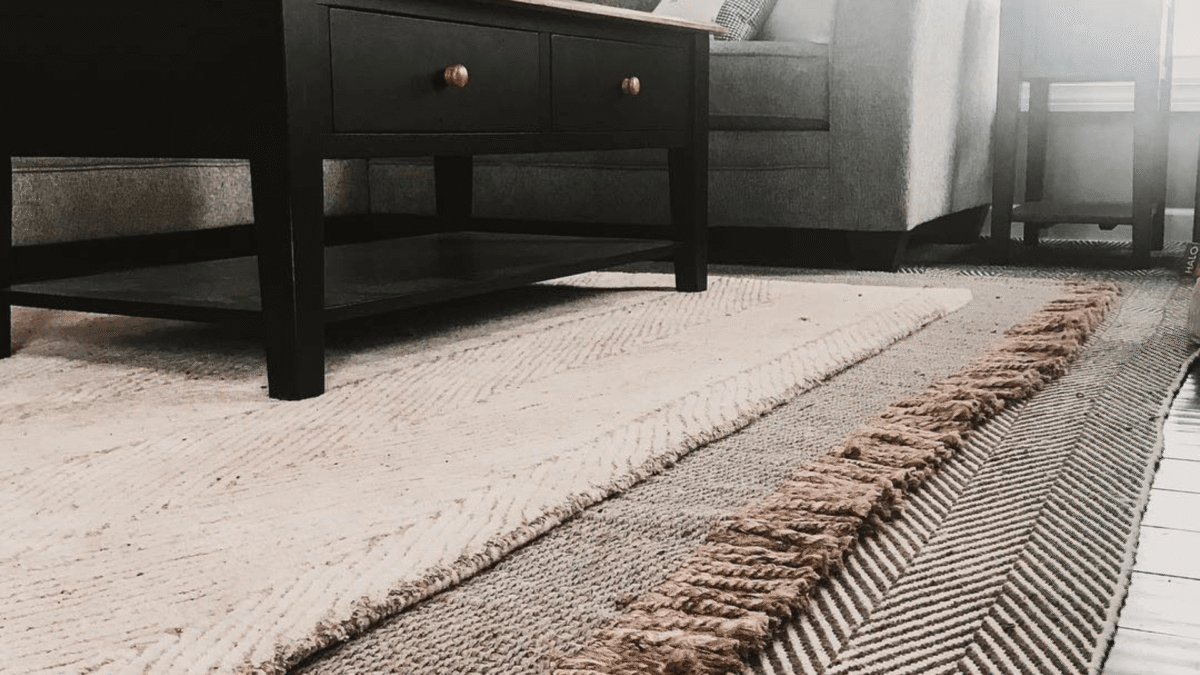
Layered rug ideas are a simple way to add warmth, texture, and personality to a room without changing your furniture or completely redecorating the space. By placing a smaller rug over a larger one, you can make an undersized rug work, define a seating area, or add interest to an otherwise neutral room.
The key is getting the proportions right. The best layered rugs look intentional: one rug anchors the space while the other adds color, pattern, or texture.
Below, you’ll find practical tips on how to layer rugs, which rug sizes work well together, the best combinations to try, and ideas for using layered rugs in different rooms.
How to Layer Rugs: 5 Simple Rules
You do not need to follow strict decorating rules, but these guidelines will make rug layering much easier.
1. Start With a Larger Base Rug
The bottom rug should be large enough to anchor the furniture.
In a living room, for example, the base rug should connect the main seating area rather than sit only beneath the coffee table. Ideally, at least the front legs of the sofa and chairs should rest on it.
The smaller rug can then sit toward the center of the arrangement.
Natural-fiber rugs, flatweaves, and simple low-pile rugs work particularly well as base layers because they are relatively flat and visually understated.
2. Make the Size Difference Noticeable
Avoid layering two rugs that are almost the same size.
If only a small border of the bottom rug is visible, the arrangement can look accidental rather than styled.
Choose a noticeably smaller top rug so enough of the base remains visible around it.
The rugs do not have to be perfectly centered. Slightly offsetting the top rug can create a more relaxed, collected look.
3. Let One Rug Be the Focal Point
When one rug has a strong pattern, let the other be quieter.
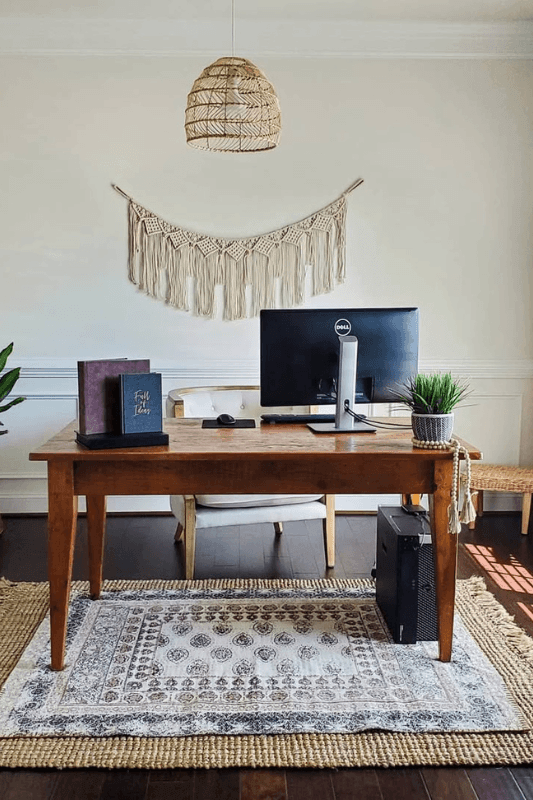
For example, a patterned vintage-style rug works beautifully over a plain jute or sisal rug.
Two patterned rugs can also work, but they should share at least one color and have different pattern scales so they do not compete with each other.
4. Mix Textures
Texture is one of the main reasons layered rugs look interesting.
Try combinations such as:
- Jute with wool
- Sisal with a vintage-style rug
- Natural fiber with a flatwoven patterned rug
- Neutral low-pile rug with a softer accent rug
Even when the colors are similar, different textures add depth to the room.
5. Keep the Arrangement Secure
Layered rugs should look good without becoming a tripping hazard.
Use a suitable rug pad or non-slip solution where needed, make sure corners lie flat, and avoid placing thick rug edges directly across busy walking paths.
What Rug Sizes Work for Layering?
There is no single perfect formula because your furniture arrangement matters just as much as the rug dimensions.
A good starting point is to choose the larger rug based on the room layout first. Then select a smaller rug that leaves enough of the base visible.
If you’re decorating a compact home, these rug ideas for studio apartments and small spaces can also help you choose the right size and placement.
| Room | Base Rug | Top Rug |
|---|---|---|
| Living room | Large enough to connect the seating area | Smaller rug centered around the coffee table or conversation area |
| Bedroom | Large enough to extend beyond the bed | Smaller rug near the lower portion of the bed |
| Entryway | Wide enough to define the entrance | Narrow runner or smaller patterned rug |
| Dining area | Large enough for table and chairs | Smaller, low-profile rug if chair movement allows |
| Carpeted room | Existing carpet acts as the base | Area rug with contrasting color or pattern |
An 8 x 10-foot base rug, for example, may work well with a noticeably smaller accent rug in a living room, depending on the furniture placement.
The goal is not to follow exact measurements. It is to make the size difference look deliberate.
Best Rug Combinations for Layering
Some rug combinations are easier to style than others.
| Base Rug | Top Rug | Why It Works |
|---|---|---|
| Jute | Vintage-style rug | Neutral texture lets the pattern stand out |
| Sisal | Faux cowhide | Straight edges contrast with an organic shape |
| Neutral flatweave | Patterned wool rug | Adds softness and visual interest |
| Natural fiber | Washable patterned rug | Practical for busy areas |
| Solid low-pile rug | Geometric rug | Creates a clean, contemporary look |
If you are new to rug layering, jute with a patterned rug is one of the easiest combinations to try.
The jute provides texture without competing with the design above it.
Layered Rug Ideas for Different Rooms
Once you understand the basic rules of rug layering, the next step is deciding how to use them in each room. The ideal rug size, placement, and combination will depend on your furniture and how the space is used. Here are a few layered rug ideas for some of the most common areas of the home.
Layered Rug Ideas for the Living Room
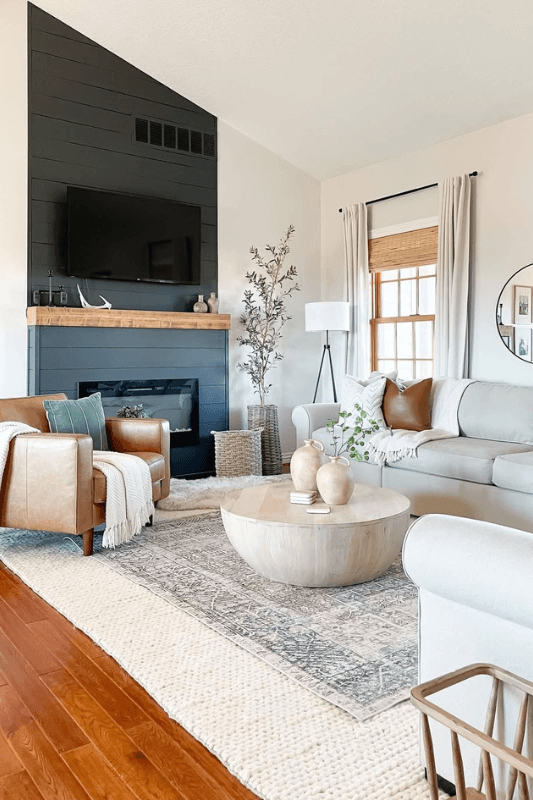
The living room is one of the easiest places to experiment with layered rugs because the furniture naturally helps define the arrangement.
Start with a large neutral rug that anchors the sofa and chairs.
If your room is long or awkwardly shaped, getting the furniture placement right first can help. See my guide on how to arrange furniture in a narrow living room for layout ideas.
Then add a smaller rug toward the center of the seating area.
A large jute rug with a smaller vintage-style rug is a classic combination. The bottom rug creates a calm foundation, while the top rug introduces pattern and draws attention toward the coffee table.
For a more contemporary look, try a neutral base with a geometric top rug.
If your room already includes patterned pillows, artwork, or curtains, choose a quieter rug combination so the floor does not compete with the rest of the decor.
Styling tip: Let enough of the bottom rug remain visible so the layered effect is obvious.
Layering Rugs in a Bedroom
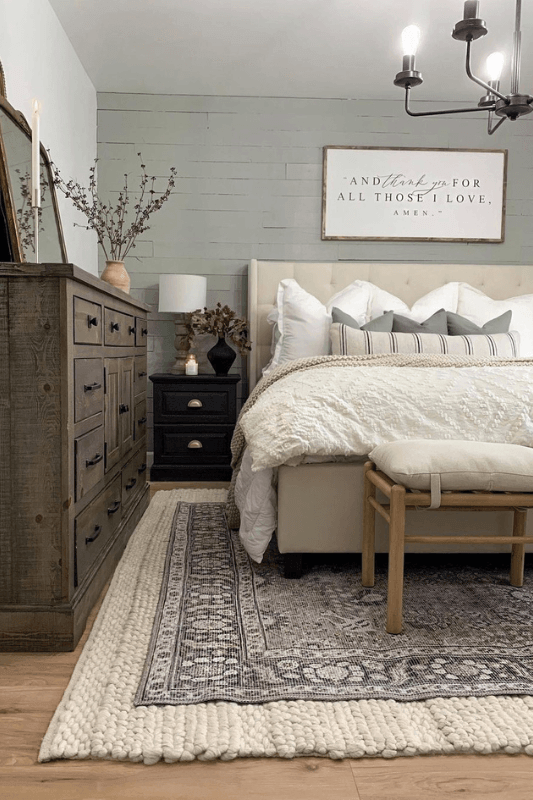
Layered rugs can make a bedroom feel softer and more finished.
Start with a large rug underneath the bed, then add a smaller decorative rug near the lower portion of the bed or slightly off-center.
A neutral wool or natural-fiber rug underneath a faded vintage-style rug works particularly well in bedrooms.
You can also use the smaller rug to introduce color without committing to a bold room-size rug.
Think about comfort when choosing the placement. Areas beside and around the bed benefit from softer textures, while the rug underneath the furniture can be flatter and more structured.
Layered Rug Ideas for an Entryway
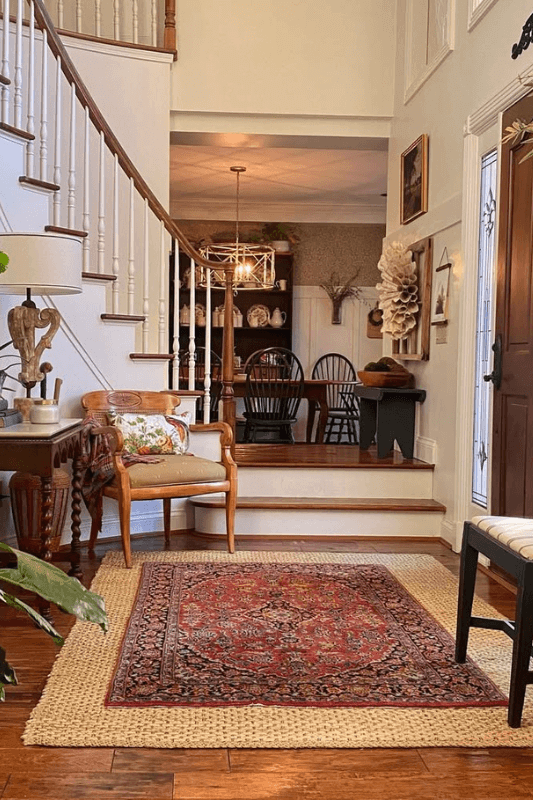
An entryway is a good place to layer rugs because you can combine function with pattern.
Try placing a narrow runner over a wider natural-fiber rug.
The larger rug defines the entry area, while the runner provides color or personality.
Because entryways receive a lot of foot traffic, keep the arrangement practical.
Make sure:
- The door opens freely
- The rugs lie flat
- The layers are not overly thick
- The materials are easy to clean
If the space already has patterned wallpaper or colorful artwork, keep at least one rug simple.
For more ways to style the rest of the space, explore these warm and welcoming entryway ideas.
How to Layer Rugs Under a Dining Table
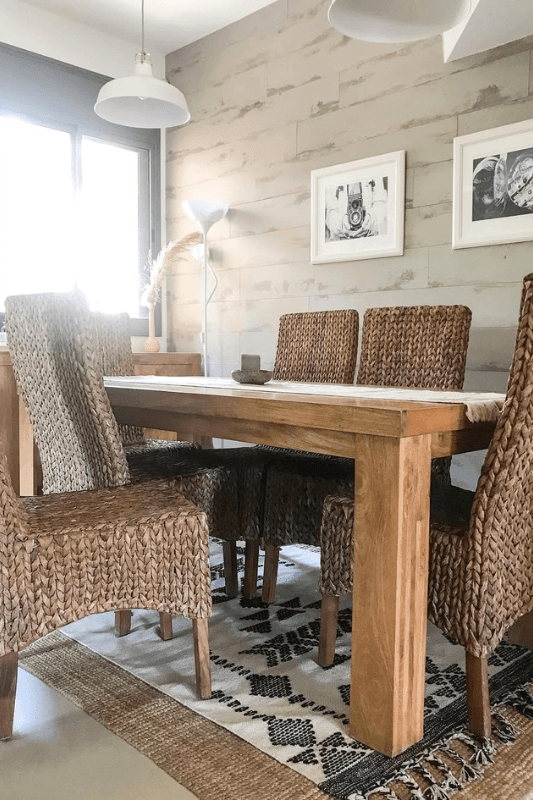
Layering rugs under a dining table can work, but the arrangement needs to remain practical.
The larger rug should be wide enough for the dining chairs to remain on the rug even when they are pulled away from the table.
Avoid thick layered edges where chair legs need to move frequently.
A flat natural-fiber rug paired with a thinner patterned rug can work well, especially in a larger dining area.
If layering makes the chairs difficult to move, one properly sized rug is the better choice.
How to Layer Rugs Over Carpet
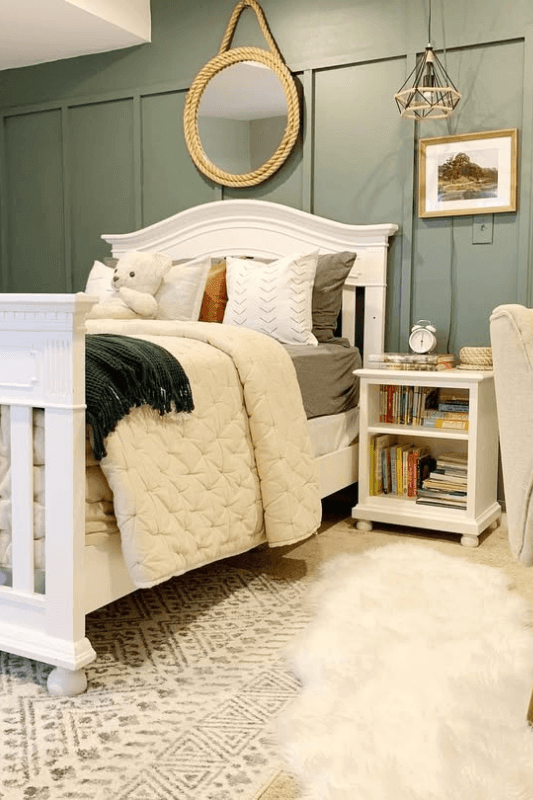
You can also layer an area rug over wall-to-wall carpet.
This is particularly useful if you want to add pattern or define an area without replacing the carpet.
Choose a rug that contrasts with the carpet so the placement looks deliberate.
For example, a patterned rug can add interest over plain beige or gray carpet.
Low-pile carpet usually works better than very plush carpet because the top rug is less likely to shift or bunch.
Bedrooms and home offices are especially good places to try this look.
Use a rug pad or gripping product designed specifically for rugs over carpet if the top rug moves.
Common Rug Layering Mistakes to Avoid
A few simple mistakes can make layered rugs feel cluttered rather than stylish.
Rugs That Are Too Similar in Size
If only a tiny amount of the bottom rug is visible, the layering can look accidental.
Choose rugs with a clear difference in size.
Too Many Competing Patterns
Two very bold rugs can overwhelm the room.
Let one rug provide most of the pattern while the other adds texture or a quieter design.
Two Very Thick Rugs
Layering plush rugs can create bulky edges and an uneven walking surface.
Use a flatter rug underneath.
Ignoring the Furniture
Rugs should connect with the furniture around them.
Avoid placing the rugs randomly in the middle of the floor without relating them to the sofa, bed, table, or seating area.
Forgetting About Movement
Check doors, chair legs, and major walking routes before finalizing the placement.
Beautiful rug layering still needs to work for everyday life.
Frequently Asked Questions About Layered Rugs
Can you put one area rug on top of another?
Yes. Placing a smaller rug over a larger rug is an easy way to add texture, color, or pattern to a room. Choose rugs with noticeably different sizes so the look feels intentional.
What type of rug should go on the bottom?
Flat, simple rugs usually work best as a base. Jute, sisal, natural-fiber rugs, flatweaves, and neutral low-pile rugs are all good options.
Should layered rugs match?
No. Layered rugs do not need to match exactly. They can share a similar color, complementary texture, or compatible pattern instead.
Can two patterned rugs be layered together?
Yes, but it is easier when the patterns have different scales and share at least one color. If both rugs are equally bold, the arrangement can quickly feel busy.
Final Thoughts
The easiest way to make layered rugs look intentional is to give each rug a different role.
Use the larger rug to anchor the room, then let the smaller rug introduce pattern, color, or texture.
If you are unsure where to begin, start with a large neutral base and a smaller patterned rug. It is one of the simplest layered rug ideas to recreate and works in almost any decorating style.